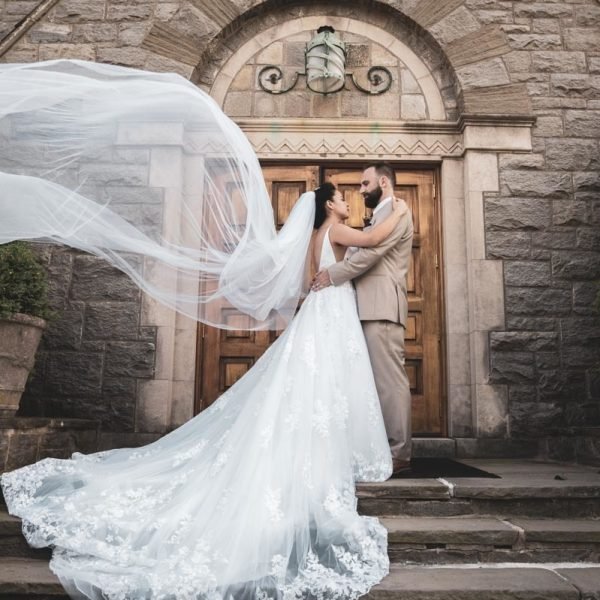
Your wedding day is filled with moments you will want to remember for years to come. From the excitement of getting ready to the emotions of the ceremony, the laughter with family, and the celebration on the dance floor, wedding photography helps preserve these memories.
Choosing a photographer is important, but great wedding photographs also depend on preparation, communication, timing, lighting, and the cooperation of the couple and wedding party. Following practical Wedding Photography Tips can help you plan a smoother photography experience and create a collection of images that genuinely reflects your special day.
Whether you are planning a traditional celebration, a destination wedding, or an intimate gathering, these tips can help you make the most of your wedding photography.
Why Wedding Photography Matters
Wedding photographs are more than just pictures of an event. They document the people, emotions, details, and experiences that make your wedding unique.
Years after the celebration, photographs can help you revisit moments such as:
- Getting ready with family and friends
- Seeing your partner for the first time
- Walking down the aisle
- Exchanging rings and vows
- Emotional reactions from loved ones
- Group celebrations
- Couple portraits
- Reception details
- Dancing and entertainment
- Your final send-off
Because these memories cannot be recreated, thoughtful photography planning is worth including in your wedding preparations.
1. Choose a Wedding Photographer Whose Style You Love
Every wedding photographer has a different visual style.
Some photographers specialize in documentary photography, while others prefer traditional portraits, editorial images, dramatic compositions, or a combination of different approaches.
Before booking a photographer, review their portfolio carefully.
Look for:
- Consistency across full wedding galleries
- Natural-looking moments
- Portrait quality
- Composition
- Lighting
- Editing style
- Ability to capture emotions
- Variety of wedding-day moments
Choose a photography style that matches the kind of memories you want to have.
2. Review Complete Wedding Galleries
A photographer’s portfolio may feature their best individual photographs, but complete wedding galleries can provide a better understanding of their work.
Ask to see examples of entire weddings rather than only selected images.
This can help you see how the photographer handles different parts of the day, including preparation, ceremony, family photographs, portraits, reception details, and evening celebrations.
3. Meet Your Photographer Before the Wedding
Your photographer may spend many hours with you on one of the most important days of your life.
A meeting before the wedding can help you understand each other’s expectations and communication styles.
Use this opportunity to discuss:
- Your wedding schedule
- Photography style
- Important people
- Preferred photographs
- Venue details
- Special traditions
- Family dynamics
- Important moments
- Any concerns you have
Feeling comfortable with your photographer can also make your portraits feel more natural.
4. Create a Wedding Photography Checklist
A photography checklist can help ensure that important photographs are not forgotten.
Your list might include:
Couple Photos
- Classic couple portraits
- Natural candid moments
- Full-length portraits
- Close-up portraits
- Wedding ring photographs
Family Photos
- Parents
- Grandparents
- Siblings
- Immediate family
- Extended family
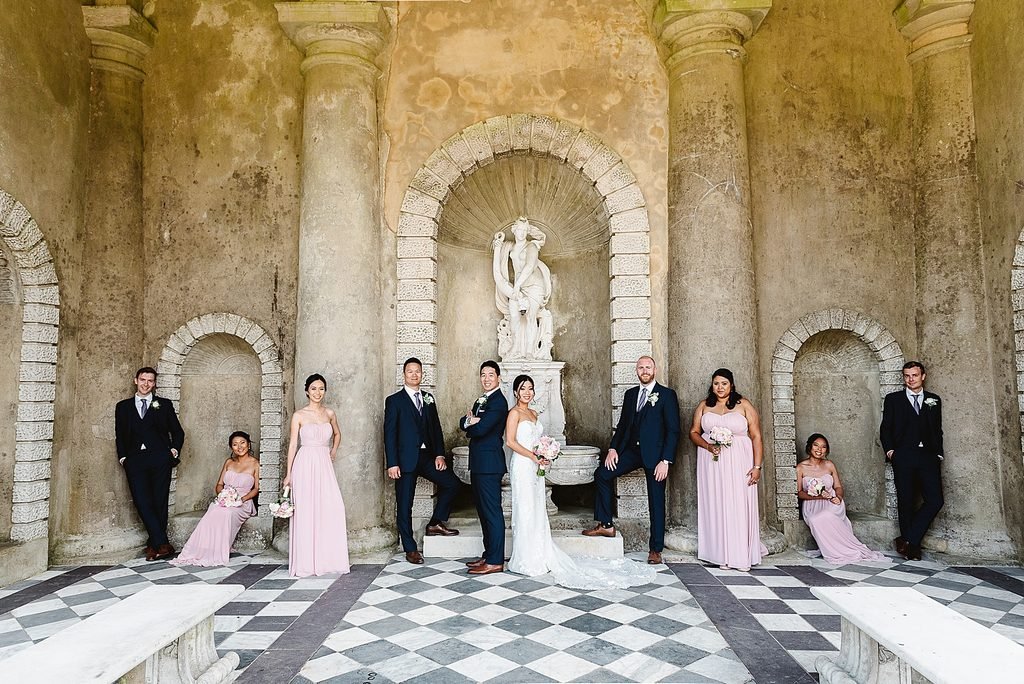
Wedding Party
- Full wedding party
- Bridesmaids
- Groomsmen
- Individual group combinations
Details
- Wedding dress
- Shoes
- Rings
- Invitations
- Flowers
- Jewelry
- Table settings
- Decorations
Keep the list realistic. Your photographer should still have freedom to capture spontaneous moments.
5. Share Your Must-Have Photographs
Every couple has certain photographs that are especially important to them.
Perhaps you want a photograph with your grandparents, a special family portrait, or a photograph featuring an important cultural tradition.
Share these priorities with your photographer before the wedding.
A short list of must-have photographs can be particularly useful for making sure important people and moments are included.
6. Plan Enough Time for Photography
One of the most important Wedding Photography Tips is to schedule enough time for photographs.
Wedding photography should not always be squeezed into small gaps between events.
Allow time for:
- Getting-ready photos
- First look
- Wedding party portraits
- Family photographs
- Couple portraits
- Reception details
- Sunset portraits
Ask your photographer how much time they recommend based on your wedding size and plans.
7. Consider a First Look
A first look gives couples the opportunity to see each other before the ceremony.
For couples who choose this option, it can also create an opportunity to complete some portraits before guests arrive.
A first look is not necessary for every wedding. Some couples prefer seeing each other for the first time at the ceremony, while others appreciate having a private moment beforehand.
Choose the option that fits your personal preferences.
8. Use Natural Light When Possible
Lighting has a major impact on photography.
Natural light can create soft and flattering images, particularly for outdoor portraits.
During your venue visit, look for areas with attractive natural light and ask your photographer about the best locations for portraits.
Your photographer can also work with artificial lighting when natural light is limited.
9. Plan Sunset Portraits
Sunset can provide a beautiful opportunity for romantic couple photographs.
Check the approximate sunset time for your wedding date and location, then discuss the timing with your photographer.
Even a short portrait session during this part of the day can give your wedding gallery a different visual atmosphere.
10. Keep the Getting-Ready Area Organized
Getting-ready photographs can capture some of the most personal moments of your wedding day.
However, clutter can distract from otherwise beautiful images.
Before the photographer arrives, try to organize the room and move unnecessary items out of the main shooting area.
Pay attention to:
- Clothing and bags
- Food containers
- Bottles and cups
- Packaging
- Excess furniture
- Personal belongings
A tidy environment allows the photographer to focus more easily on the people and details.
11. Prepare Wedding Details in Advance
Photographers often photograph small wedding details before the ceremony becomes busy.
Prepare important items together in one place.
These may include:
- Rings
- Invitations
- Jewelry
- Shoes
- Perfume
- Bouquet
- Boutonnieres
- Special keepsakes
Having these items ready can make detail photography more efficient.
12. Give Your Photographer the Wedding Timeline
Your photographer should know when important events are happening.
Share the latest version of your wedding timeline before the event and tell them about any schedule changes.
This allows them to prepare for:
- Ceremony entrance
- Family photographs
- Reception entrance
- Speeches
- First dance
- Cake cutting
- Special performances
- Final send-off
A well-coordinated timeline helps your photographer be in the right place at the right time.
13. Tell the Photographer About Important People
Some guests may have particular importance to you.
Tell your photographer who they are so they can pay attention to those people throughout the day.
This could include:
- Parents
- Grandparents
- Close friends
- Children
- Special relatives
- Important members of the wedding party
Candid photographs of loved ones can become some of the most meaningful images in your wedding collection.
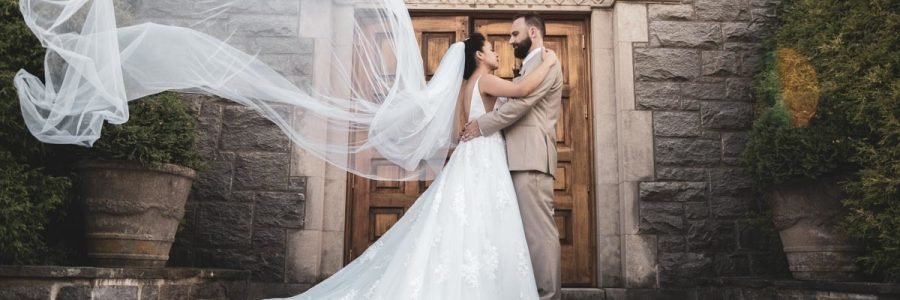
14. Relax During Couple Portraits
Many couples feel uncomfortable in front of a camera.
You do not need to know exactly how to pose.
A good photographer can provide direction while also allowing natural interactions.
Instead of worrying about every pose, focus on your partner and enjoy the moment. Small gestures, smiles, conversations, and genuine reactions can produce beautiful photographs.
15. Avoid Over-Posing
A wedding gallery should contain more than perfectly posed portraits.
Candid moments can show the real atmosphere of the day.
Your photographer can capture:
- Laughter
- Hugs
- Tears
- Conversations
- Reactions
- Dancing
- Guests enjoying themselves
A combination of posed portraits and candid photographs can create a more complete story of your wedding day.
16. Consider an Unplugged Ceremony
Phones and cameras can sometimes appear in the background of important photographs.
Some couples choose to ask guests to keep their phones away during the ceremony.
Whether you choose an unplugged ceremony or simply encourage guests to remain present, discussing your preference with your wedding planner and officiant can help.
Your photographer can then capture the ceremony without as many distractions in the frame.
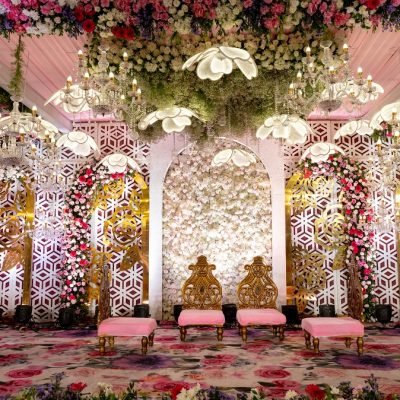
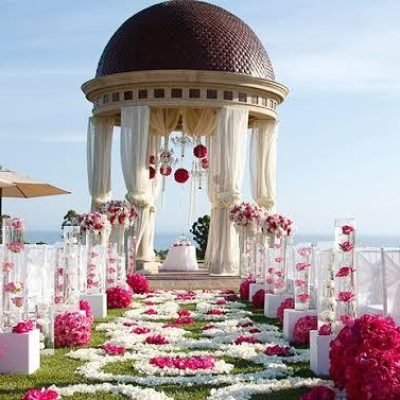
17. Think About Your Wedding Decor
Your decorations become part of your wedding photographs.
Before the celebration begins, give your photographer enough time to photograph important details such as:
- Floral arrangements
- Table settings
- Ceremony decorations
- Wedding signage
- Reception backdrop
- Cake
- Centerpieces
- Lighting
These images help tell the complete visual story of your wedding.
18. Allow Your Photographer to Capture Candid Moments
Not every important photograph needs to be planned.
Some of the most memorable images can happen naturally when people are not aware of the camera.
Allow your photographer the freedom to document genuine interactions throughout the celebration.
These photographs can capture the atmosphere and personality of your wedding in a natural way.
19. Plan Group Photographs Efficiently
Family and group photographs can take considerable time if they are not organized.
Prepare a list in advance and ask a trusted family member or member of the wedding party to help gather people.
This can reduce confusion and keep the photography schedule moving.
Start with larger groups and then move toward smaller combinations when appropriate.
20. Communicate About Cultural and Religious Traditions
Many weddings include cultural or religious ceremonies with specific customs and important moments.
Tell your photographer about these traditions before the wedding.
This gives them an opportunity to learn the ceremony structure and prepare for significant moments.
Clear communication is especially valuable when there are restrictions about movement, flash photography, or where photographers can stand.
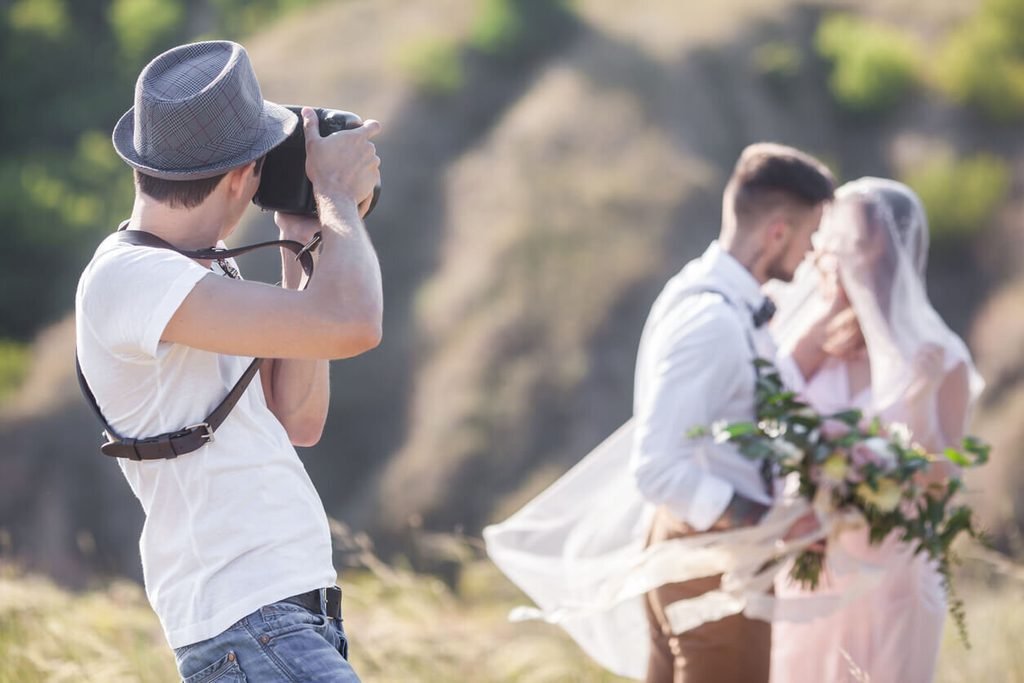
Common Wedding Photography Mistakes to Avoid
Choosing a Photographer Based Only on Price
Budget is important, but the photographer’s style, experience, communication, package details, and overall fit should also be considered.
Not Asking What the Package Includes
Make sure you understand what is included, such as hours of coverage, number of photographers, albums, prints, editing, and delivery details.
Creating an Unrealistic Shot List
A huge shot list can leave little time for natural moments. Focus on photographs that are genuinely important to you.
Forgetting Travel and Setup Time
Travel between locations and equipment setup should be included in the schedule.
Skipping the Photographer Consultation
A pre-wedding consultation can help avoid misunderstandings and improve coordination.
Spending the Entire Day Posing
Your photographer should document your wedding, not turn it into a continuous photo session. Leave time to enjoy your celebration.
How to Make Your Wedding Photos More Natural
You do not need professional modeling experience to look great in wedding photographs.
Try to:
- Relax your shoulders
- Focus on your partner rather than the camera
- Walk naturally
- Laugh and interact
- Avoid forcing expressions
- Trust your photographer’s direction
The goal is not to make every image look perfectly posed. It is to preserve genuine emotions and meaningful moments.
A Simple Wedding Photography Checklist
Before your wedding day, make sure you have:
- ☐ Booked your photographer
- ☐ Reviewed complete wedding galleries
- ☐ Discussed your preferred photography style
- ☐ Scheduled a photographer consultation
- ☐ Created a realistic shot list
- ☐ Shared must-have photographs
- ☐ Provided the wedding timeline
- ☐ Identified important family members
- ☐ Planned family group photographs
- ☐ Discussed cultural or religious traditions
- ☐ Identified suitable portrait locations
- ☐ Planned sunset photographs, if desired
- ☐ Prepared wedding details for photography
- ☐ Allowed sufficient time for portraits
- ☐ Planned a backup option for difficult weather
How WeddingsArtists Can Help With Wedding Planning
Great wedding photography is easier when the rest of the wedding is well organized.
WeddingsArtists provides wedding inspiration and planning resources to help couples prepare for different parts of their celebration. From wedding planning ideas and photography considerations to styling and other important details, useful guidance can make the planning process more organized.
By thinking about photography early, couples can coordinate their timeline, venue, vendors, and special moments more effectively.
Frequently Asked Questions
What are the most important Wedding Photography Tips?
Important tips include choosing a photographer whose style you love, scheduling enough photography time, sharing a realistic shot list, identifying important people, planning for good lighting, and communicating your expectations in advance.
How long should wedding photography take?
The amount of time needed depends on the size and schedule of your wedding. Discuss your plans with your photographer and allow dedicated time for preparation, group photographs, couple portraits, and important reception moments.
Should I make a wedding photography shot list?
Yes, a short list of important photographs can help your photographer capture specific people or moments. Keep the list practical so there is still time for candid photography.
Should I take wedding photos before or after the ceremony?
Both options can work. A first look allows some photographs to happen before the ceremony, while other couples prefer to take most couple portraits afterward. Your choice should reflect your preferences and timeline.
How can I make my wedding photographs look natural?
Relax, interact naturally with your partner and guests, and trust your photographer’s direction. A combination of candid moments and lightly guided portraits can create an authentic wedding gallery.
Final Thoughts
Great wedding photographs begin with good preparation. By choosing the right photographer, communicating your priorities, allowing enough time, organizing family photographs, and considering lighting and locations, you can create better opportunities for meaningful images.
These Wedding Photography Tips are not about making your wedding day feel like a photoshoot. They are about creating enough structure for your photographer to capture the important moments while leaving you free to enjoy the celebration.
Years later, your photographs will help you remember not only how your wedding looked, but also the people, emotions, laughter, and moments that made the day special.