
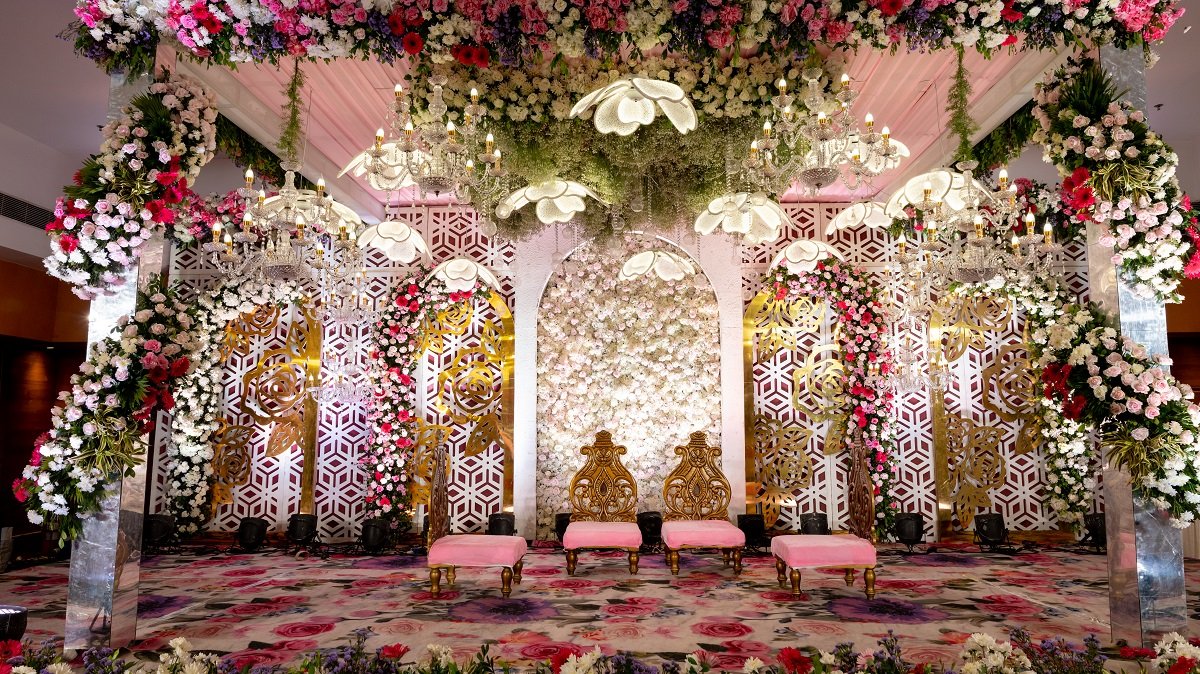
Wedding décor plays an important role in creating the atmosphere of your special day. From the ceremony backdrop and table settings to flowers, lighting, and personalized details, thoughtful décor can transform an ordinary venue into a beautiful reflection of your style and personality. With so many decorating options available, choosing the right elements can sometimes feel overwhelming. The key is to create a cohesive look instead of filling every space with decorations. These elegant Wedding Décor Ideas can help couples create a polished, welcoming, and memorable celebration while keeping their overall wedding style in mind. Why Wedding Décor Matters Décor helps establish the visual identity of your wedding. It can influence how the venue feels, how photographs look, and how guests experience the celebration. Well-planned wedding décor can: The best décor does not necessarily mean using the most decorations. Instead, it is about choosing details that work together. 1. Create an Elegant Ceremony Backdrop The ceremony backdrop is often one of the most visible decorative elements of the wedding. A thoughtfully designed backdrop can frame the couple during the ceremony and provide an attractive setting for photographs. Popular options include: Choose a backdrop that complements both the venue and your overall wedding theme. 2. Use Flowers as a Main Design Element Flowers can add color, texture, and natural beauty to almost any wedding setting. Rather than placing flowers randomly throughout the venue, consider creating a consistent floral design that appears in several areas. You might use coordinated arrangements for: Seasonal flowers can also help create a look that feels appropriate for the time of year. 3. Add Soft and Strategic Lighting Lighting can dramatically change the atmosphere of a wedding venue. Soft lighting can create a warm and romantic feeling, while carefully placed accent lighting can draw attention to important areas. Consider options such as: When planning lighting, think about both the guest experience and photography. Very strong or poorly positioned lighting can affect photographs, while balanced lighting can enhance the overall setting. 4. Design Beautiful Reception Tables Reception tables provide an excellent opportunity to incorporate your wedding theme. A well-designed table can include: Avoid placing too many items on each table. Guests should still have enough space to eat, talk, and move comfortably. 5. Choose a Coordinated Color Palette A consistent color palette can help different décor elements feel connected. Start by choosing a few primary and supporting colors, then use them across your: Neutral tones can create an elegant and timeless appearance, while stronger colors can add personality and visual energy. The most important thing is consistency rather than choosing a large number of colors. 6. Create a Beautiful Welcome Area The entrance is the first part of the wedding venue many guests will see. A decorated welcome area can immediately establish the style of your celebration. You could include: Keep the area attractive but easy for guests to navigate. 7. Add Personalized Wedding Details Personalized décor can make the celebration feel more meaningful. Consider incorporating details that reflect your relationship, such as: Personal touches can make your décor feel unique without requiring an excessive decorating budget. 8. Create a Statement Dessert or Cake Display Your wedding cake can become part of your overall décor rather than simply a dessert. Think about creating a beautiful cake display using: Make sure the cake table complements the rest of your reception décor. 9. Use Draping to Transform the Venue Fabric draping can completely change the appearance of a wedding space. It can be used to: Choose fabrics and colors that complement your wedding theme. Draping can be especially effective in large venues where you want to make the space feel more intimate. 10. Create a Stylish Reception or Dance Floor The dance floor can become another major visual feature of your reception. Depending on your wedding style, you could add: Since the dance floor is often photographed and visible throughout the reception, it can be a useful location for a statement decorative element. How to Choose the Right Wedding Décor Ideas There are countless Wedding Décor Ideas, but choosing the right ones requires more than following the latest trend. Start With Your Wedding Style Decide whether you want your wedding to feel: Your preferred style can guide your choices for colors, flowers, furniture, lighting, and accessories. Consider Your Venue Your venue should influence your décor rather than being treated as a blank canvas. Look at its: Use existing features when possible instead of covering everything with additional decorations. Create a Realistic Budget Décor can become expensive when many small additions are combined. Divide your budget into categories such as: Prioritize the elements that will have the biggest visual impact. How to Make Wedding Décor Look Elegant Without Overdoing It Elegance often comes from balance. Instead of decorating every available surface, focus on important areas that guests will notice most. These may include: Use repeated colors, materials, or floral elements to create a consistent design throughout the venue. Common Wedding Décor Mistakes to Avoid Using Too Many Different Styles Combining too many unrelated themes can make your décor feel inconsistent. Ignoring the Venue Décor should work with the venue’s existing features rather than fighting against them. Choosing Style Over Comfort Beautiful décor should not make it difficult for guests to sit, dine, walk, or socialize comfortably. Forgetting About Lighting Even beautiful decorations may not look their best under unsuitable lighting. Spending Too Much on Small Details Before investing heavily in minor decorations, prioritize the areas that have the greatest impact on the overall atmosphere. Not Considering Photography Some decorative elements may look different in photographs. Coordinate with your photographer when planning important photo locations and lighting. A Simple Wedding Décor Checklist Before finalizing your décor, consider: How WeddingsArtists Can Help With Wedding Planning Wedding décor is one part of creating a beautiful celebration. Couples also need to think about their venue, photography, catering, entertainment, timeline, guest experience, and many other details. WeddingsArtists provides wedding inspiration and planning resources to help
Destination Wedding Planning: A Complete Guide for Couples
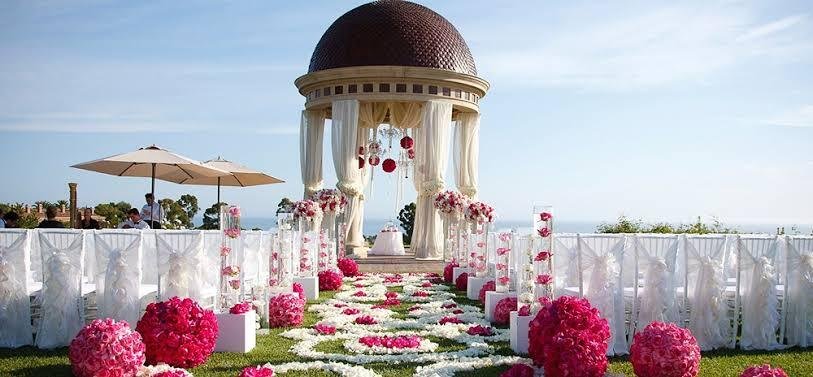
A destination wedding can turn your special day into an unforgettable experience for both you and your guests. Whether you dream of a beach celebration, a romantic European-inspired venue, a luxurious resort, or a beautiful destination closer to home, getting married away from your usual location requires careful planning. Unlike a traditional local wedding, destination weddings involve additional decisions such as travel, accommodation, legal requirements, guest coordination, weather, transportation, and communication with vendors from a distance. Following practical Destination Wedding Planning Tips can help couples stay organized, manage expectations, and create a celebration that feels personal and enjoyable. What Is a Destination Wedding? A destination wedding is a wedding held away from the couple’s usual hometown or primary location. Some couples choose a destination that has personal significance, while others select a location simply because they love the setting. Destination weddings can range from small gatherings with close family and friends to larger celebrations at hotels, resorts, private venues, or other event locations. Popular destination wedding settings can include: The location you choose will influence many other aspects of your planning. Why Destination Wedding Planning Requires Extra Preparation Planning a wedding from a distance can be more complicated than organizing an event close to home. You may need to coordinate with vendors you cannot meet regularly in person. Your guests may also need additional information about flights, accommodation, transportation, and local arrangements. Important planning areas include: Starting early gives you more time to research and organize these details. 1. Choose the Right Destination The destination should match your wedding vision as well as your practical needs. Think about the type of experience you want to create. A beach wedding may offer a relaxed atmosphere, while a historic city may provide architecture and cultural experiences. Consider: Also think about your guests. A location that is difficult or expensive to reach may not work for everyone you want to invite. 2. Set a Realistic Budget A destination wedding budget should include more than the venue and wedding reception. Potential expenses can include: Create a detailed budget early and leave some room for unexpected expenses. Currency exchange rates, travel costs, taxes, service fees, and local pricing can affect the final amount. 3. Create a Guest List Early Your guest list can influence where you hold your destination wedding and how you organize it. Start by determining which family members and friends you most want to have present. Once you have a preliminary list, consider: You do not need to invite everyone you know. A destination wedding can naturally become a more intimate celebration focused on the people closest to you. 4. Send Save-the-Dates Early Guests need more planning time for a destination wedding than they may need for a local event. Send save-the-dates early enough for your guests to consider travel arrangements, time off work, accommodation, and other expenses. Your initial information can include: Provide additional details as arrangements become finalized. 5. Choose the Right Wedding Venue The venue is one of the most important destination wedding decisions. Look beyond photographs and promotional material. Research the layout, facilities, service options, guest capacity, accessibility, and weather backup arrangements. Ask the venue about: A virtual tour or video call can be useful when visiting the location in person is difficult. 6. Research Local Wedding Vendors Working with local vendors can make destination planning easier because they understand the area, venue, local conditions, and available resources. Depending on your needs, you may require: Research portfolios, reviews, packages, availability, and contracts carefully before booking. 7. Consider Hiring a Local Wedding Planner A local wedding planner can be particularly helpful for destination celebrations. A planner who understands the destination may help coordinate vendors, venue logistics, transportation, schedules, and other local arrangements. This can be valuable when the couple is planning remotely and cannot regularly visit the venue. Before booking a planner, clarify: 8. Research Legal and Marriage Requirements Legal requirements can differ significantly depending on the destination and the couple’s circumstances. Before making final arrangements, research the applicable marriage laws and required documentation. Requirements may involve: Because legal rules can change and may vary by destination, verify the current requirements with the relevant official authority or a qualified local professional well before the wedding. 9. Consider the Weather and Season Weather should play a major role in your destination selection. Research the typical conditions for your chosen dates and ask the venue about practical alternatives if the weather changes. Consider: An indoor backup space can provide additional flexibility for outdoor weddings. 10. Plan Guest Accommodation Make accommodation as simple as possible for your guests. Research hotels, resorts, apartments, or other suitable options near the wedding venue. Consider offering several options at different price points when possible. Provide guests with information about: Clear information can make the travel experience less stressful. 11. Arrange Airport and Local Transportation Transportation should be part of your destination wedding plan. Consider how guests will travel: For larger destination weddings, group transportation may simplify logistics. Share pickup locations and schedules clearly with guests before their arrival. 12. Build a Complete Wedding Weekend Itinerary A destination wedding can be more than one event. Because guests have traveled to celebrate with you, you may choose to organize activities before and after the wedding. Your itinerary might include: Arrival Day Guest check-in and a welcome gathering. Pre-Wedding Event Welcome dinner, cultural celebration, or informal gathering. Wedding Day Ceremony, reception, photographs, dinner, and entertainment. Post-Wedding Activity Brunch, sightseeing, beach outing, or another group activity. Do not make every activity mandatory. Give guests enough free time to relax and enjoy the destination. 13. Think About Your Guests’ Experience Guest experience should be an important part of Destination Wedding Planning Tips. Your guests are making a significant commitment by traveling to your wedding. Small thoughtful details can make their experience more comfortable. Consider providing: A simple welcome package can help guests feel prepared when they arrive. 14. Plan the Wedding Menu Around the Destination Food can be an opportunity
How to Choose the Right Wedding Catering for Your Celebration
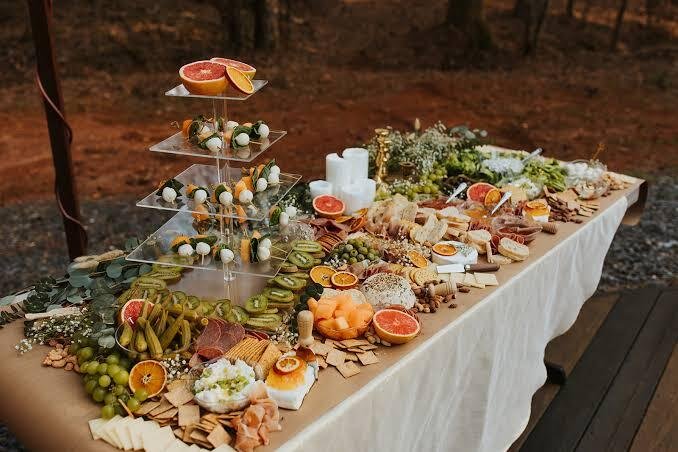
Food is one of the most memorable parts of a wedding celebration. Guests may forget some of the small details of the décor, but a delicious meal, beautiful presentation, and thoughtful dining experience can leave a lasting impression. Choosing the right caterer involves much more than selecting a menu. Couples need to consider their guest list, wedding style, budget, dietary requirements, service format, venue, and overall guest experience. Exploring different Wedding Catering Ideas can help you create a menu that suits your celebration while making the dining experience enjoyable and well organized. Whether you are planning an elegant reception, a traditional wedding, or a relaxed outdoor celebration, the right catering plan can bring everything together. Why Wedding Catering Is So Important Catering plays an important role in the overall wedding experience. Food is often one of the parts of the celebration that guests experience directly, making menu planning an important part of wedding preparation. Good wedding catering can help you: The goal is not simply to serve food. It is to create a dining experience that fits naturally into the wedding day. 1. Set Your Wedding Catering Budget Before choosing a caterer, determine how much you can realistically allocate to food and beverage services. Your catering budget may include more than the cost of the food itself. Ask about additional charges for: Request a detailed quotation so you understand the complete cost before signing an agreement. 2. Consider Your Guest List Your guest list should influence nearly every catering decision. Consider the number of guests as well as their ages, preferences, cultural backgrounds, and dietary needs. A children’s menu may be useful for family weddings, while a formal multi-course meal may suit an elegant evening celebration. You should also estimate how many guests will require vegetarian, vegan, halal, allergy-conscious, or other specialized options. 3. Choose a Catering Style There are several ways to serve food at a wedding. The best option depends on your venue, guest list, budget, and preferred atmosphere. Plated Dinner With plated service, guests are served individually at their tables. This style can create a more formal and structured dining experience and may work well for elegant weddings. Buffet A buffet allows guests to select their preferred dishes. It provides variety and can work well for larger celebrations, although enough serving space and guest flow should be considered. Family-Style Dining Family-style service places larger dishes of food on the tables for guests to share. This approach can create a relaxed and social atmosphere. Food Stations Food stations allow guests to visit different areas for particular dishes or cuisines. Popular options might include: Cocktail-Style Reception For a less traditional celebration, you may choose a menu of small bites and passed appetizers instead of a full seated meal. This approach can encourage guests to move around and socialize. 4. Match the Menu to Your Wedding Style Your menu should complement the overall atmosphere of your celebration. A formal wedding might suit an elegant multi-course menu, while a garden or outdoor wedding might work well with a more relaxed selection. Think about how the menu fits with: A coordinated approach can make the entire celebration feel more intentional. 5. Choose Food That You and Your Guests Will Enjoy Your wedding menu should include food that reflects your preferences while still considering your guests. Think about your favorite dishes, family traditions, cuisines you enjoy, and foods that have personal meaning. You can also include a mixture of familiar choices and a few more distinctive dishes. The goal is to create variety without making the menu unnecessarily complicated. 6. Ask About Dietary Requirements Dietary requirements should be discussed with your caterer early in the planning process. Ask how they handle: Make sure the caterer understands the importance of preventing cross-contact where relevant and can clearly identify alternative dishes. 7. Schedule a Food Tasting A tasting gives you an opportunity to evaluate the food before making your final decisions. During the tasting, pay attention to: Try the dishes you are seriously considering rather than selecting a menu based only on descriptions. A tasting is also a good opportunity to discuss possible substitutions or adjustments. 8. Ask How the Food Will Be Prepared Understanding how the caterer prepares and serves food can help you make better decisions. Ask questions such as: The answers can give you a clearer picture of how the catering operation will work on your wedding day. 9. Consider Seasonal Ingredients Seasonal ingredients can be a useful consideration when creating your menu. Ask your caterer which ingredients are readily available around your wedding date. A seasonal menu can also help your food feel connected to the time of year. Summer weddings, for example, may suit lighter dishes and refreshing beverages, while cooler-season celebrations may work well with warmer and more comforting selections. 10. Plan Appetizers and Cocktail-Hour Food Guests may have some time between the ceremony and the main meal. Offering appetizers during cocktail hour can keep guests comfortable and give them something to enjoy while they socialize. Consider options such as: Choose appetizers that are practical to serve and easy for guests to enjoy while standing and talking. 11. Don’t Forget the Drinks Beverages are an important part of wedding catering. Depending on your preferences and venue, your options may include: You can also create a signature drink or mocktail that reflects the couple’s personality. Make sure guests have easy access to water throughout the celebration. 12. Choose the Right Dessert Dessert can be more than just a wedding cake. You can explore different Wedding Catering Ideas for your sweet selection, including: You can combine your wedding cake with other desserts to give guests more variety. 13. Think About Presentation Food presentation contributes to the overall dining experience. Discuss how dishes will be presented and how the food service will fit into your wedding décor. Consider: The presentation should complement your wedding theme without making service unnecessarily complicated. 14. Consider Cultural and Family Traditions Food can have strong cultural
Creative Wedding Entertainment Ideas to Impress Your Guests
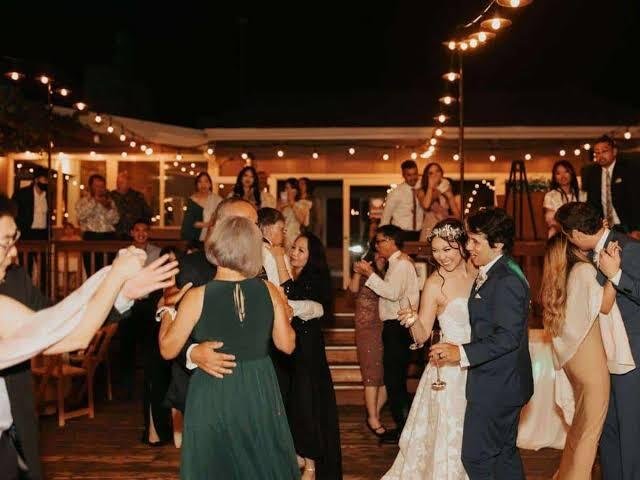
Your wedding day is not only about the ceremony, dinner, and decorations. It is also about creating an experience that your guests will remember long after the celebration is over. The right entertainment can bring people together, encourage interaction, and give your wedding its own personality. While a DJ or live band remains a popular choice, there are many creative Wedding Entertainment Ideas that can make your celebration more exciting and memorable. From interactive guest activities and live performers to unique reception experiences, you can choose entertainment that matches your wedding style and audience. The key is to select activities that feel natural for your celebration rather than trying to include everything at once. Why Wedding Entertainment Matters Entertainment helps set the mood and keeps guests involved throughout the celebration. A well-planned entertainment program can fill transitions between major events and create opportunities for guests to interact. Good wedding entertainment can help: Your entertainment choices should reflect your preferences, venue, guest list, and overall wedding theme. 1. Hire a Live Band A live band can create an energetic and engaging atmosphere at your reception. Unlike recorded music, a live performance has a unique sense of energy and interaction. Depending on your preferences, you can choose a band specializing in pop, jazz, classical music, traditional music, or other genres. Before booking a band, ask about: Make sure the band’s style fits the atmosphere you want to create. 2. Choose a Professional DJ A DJ is another versatile entertainment option for weddings. A professional DJ can help maintain the energy of the reception by adjusting the music according to the crowd and different parts of the evening. Your DJ may handle music for: Share your favorite songs, songs you would rather avoid, and any cultural or traditional music preferences in advance. 3. Add a Live Musician During Cocktail Hour You do not have to use the same entertainment throughout the entire wedding. A solo musician, acoustic guitarist, saxophonist, violinist, or pianist can provide background entertainment during cocktail hour or dinner. Live music during quieter parts of the celebration can create a sophisticated atmosphere without overpowering guest conversations. 4. Create a Photo Booth A photo booth gives guests a chance to have fun and create keepsakes. You can choose from traditional photo booths, open-air setups, mirror booths, or digital options. Add props and a background that coordinate with your wedding theme. A photo booth can be especially useful during periods when guests are waiting between reception activities. 5. Set Up a 360-Degree Video Booth A 360-degree video booth can add a modern and interactive element to your reception. Guests stand on a platform while a camera moves around them, creating a dynamic video effect. Videos can often be shared digitally, giving guests something entertaining to post on social media. 6. Organize a Surprise Dance Performance A surprise dance performance can create an exciting moment during the reception. This could involve: A planned surprise performance can be particularly entertaining when it transitions naturally into open dancing. Make sure the venue has enough space and that performers have sufficient time for preparation. 7. Include Cultural Entertainment Cultural entertainment can make a wedding feel more personal and meaningful. Depending on your background and wedding traditions, you might include: Cultural entertainment can also give guests an opportunity to experience traditions that are important to the couple and their families. 8. Hire a Professional Dance Group A professional dance group can create a memorable stage performance during the reception. You can choose a performance style that matches your wedding theme or cultural background. Consider scheduling the performance between major reception activities so it becomes a natural part of the evening rather than interrupting the flow. 9. Offer Interactive Wedding Games Games can encourage guests to participate rather than simply watch. Some ideas include: Choose games that are appropriate for your guests and easy to understand. Avoid activities that may make guests feel uncomfortable or put individuals on the spot unnecessarily. 10. Create a Guest Message Station A guest message station is a simple way to combine entertainment with a meaningful keepsake. Guests can leave: You can provide cards, a guest book, a memory box, or another creative format. These messages can become sentimental reminders of your wedding day. 11. Set Up a Karaoke Station Karaoke can be a fun choice for a relaxed wedding reception. Guests can take turns singing their favorite songs and encouraging one another. Karaoke works particularly well when your guest list enjoys interactive activities. Make sure you have suitable equipment and a designated area where the activity will not interfere with other reception events. 12. Hire a Magician or Close-Up Performer A magician can entertain guests during cocktail hour or while they are waiting for dinner. Close-up magic works particularly well because the performer can move between small groups instead of requiring a large stage. This type of entertainment can give guests something to talk about while keeping the atmosphere social. 13. Include a Cultural or Specialty Performance Specialty performers can give your celebration a distinctive atmosphere. Depending on your preferences, you might consider: Safety, venue rules, and professional supervision should always be considered when selecting specialty acts. 14. Plan a Dramatic Couple Entrance Your entrance into the reception can become an entertainment moment itself. Creative ideas include entering to a favorite song, using coordinated lighting, incorporating dancers, or choosing a fun surprise entrance. The entrance does not need to be extravagant. Even a simple concept can become memorable when it reflects your personality. 15. Create a Special First Dance Experience Your first dance is already an important wedding tradition, but you can make it more personal. Consider: Choose an approach that feels comfortable rather than trying to recreate a complicated performance from social media. 16. Add Interactive Food and Drink Experiences Entertainment does not always have to involve music or performances. Food and drink stations can become interactive experiences for guests. Examples include: These experiences can encourage guests to move around the
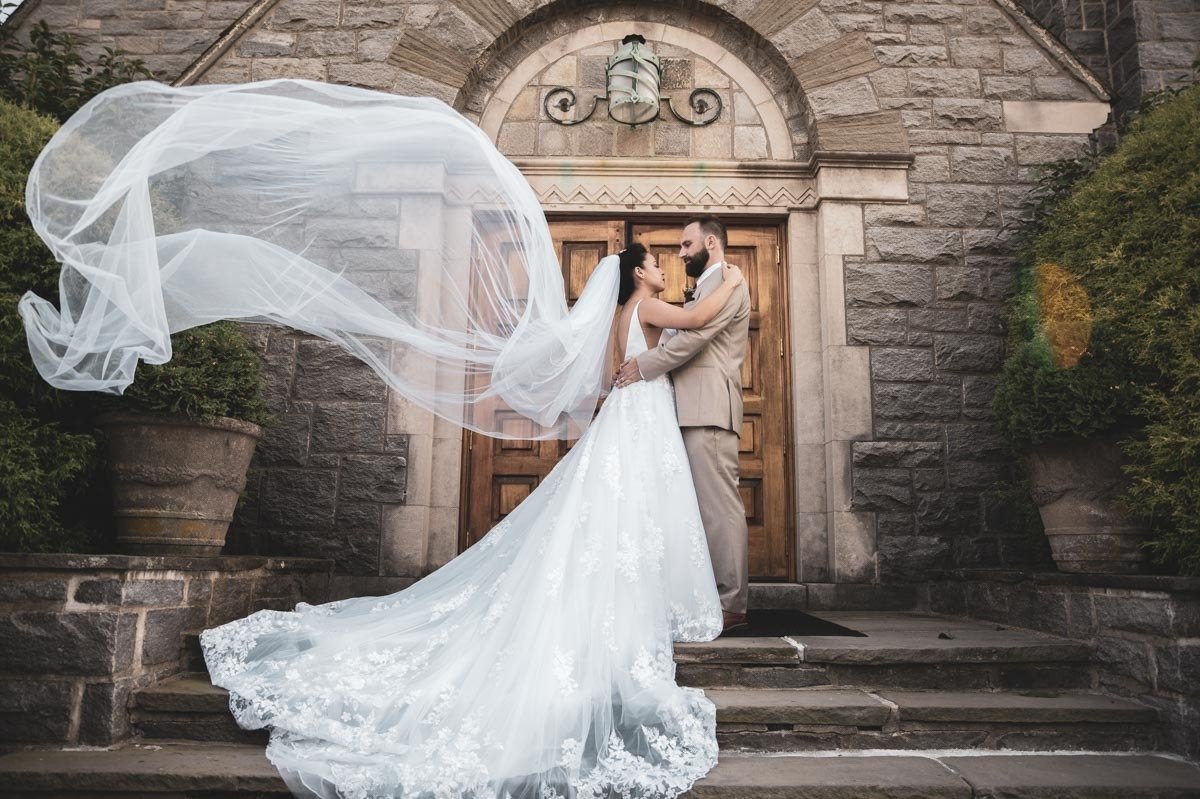
Essential Wedding Photography Tips for Beautiful Memories
Your wedding day is filled with moments you will want to remember for years to come. From the excitement of getting ready to the emotions of the ceremony, the laughter with family, and the celebration on the dance floor, wedding photography helps preserve these memories. Choosing a photographer is important, but great wedding photographs also depend on preparation, communication, timing, lighting, and the cooperation of the couple and wedding party. Following practical Wedding Photography Tips can help you plan a smoother photography experience and create a collection of images that genuinely reflects your special day. Whether you are planning a traditional celebration, a destination wedding, or an intimate gathering, these tips can help you make the most of your wedding photography. Why Wedding Photography Matters Wedding photographs are more than just pictures of an event. They document the people, emotions, details, and experiences that make your wedding unique. Years after the celebration, photographs can help you revisit moments such as: Because these memories cannot be recreated, thoughtful photography planning is worth including in your wedding preparations. 1. Choose a Wedding Photographer Whose Style You Love Every wedding photographer has a different visual style. Some photographers specialize in documentary photography, while others prefer traditional portraits, editorial images, dramatic compositions, or a combination of different approaches. Before booking a photographer, review their portfolio carefully. Look for: Choose a photography style that matches the kind of memories you want to have. 2. Review Complete Wedding Galleries A photographer’s portfolio may feature their best individual photographs, but complete wedding galleries can provide a better understanding of their work. Ask to see examples of entire weddings rather than only selected images. This can help you see how the photographer handles different parts of the day, including preparation, ceremony, family photographs, portraits, reception details, and evening celebrations. 3. Meet Your Photographer Before the Wedding Your photographer may spend many hours with you on one of the most important days of your life. A meeting before the wedding can help you understand each other’s expectations and communication styles. Use this opportunity to discuss: Feeling comfortable with your photographer can also make your portraits feel more natural. 4. Create a Wedding Photography Checklist A photography checklist can help ensure that important photographs are not forgotten. Your list might include: Couple Photos Family Photos Wedding Party Details Keep the list realistic. Your photographer should still have freedom to capture spontaneous moments. 5. Share Your Must-Have Photographs Every couple has certain photographs that are especially important to them. Perhaps you want a photograph with your grandparents, a special family portrait, or a photograph featuring an important cultural tradition. Share these priorities with your photographer before the wedding. A short list of must-have photographs can be particularly useful for making sure important people and moments are included. 6. Plan Enough Time for Photography One of the most important Wedding Photography Tips is to schedule enough time for photographs. Wedding photography should not always be squeezed into small gaps between events. Allow time for: Ask your photographer how much time they recommend based on your wedding size and plans. 7. Consider a First Look A first look gives couples the opportunity to see each other before the ceremony. For couples who choose this option, it can also create an opportunity to complete some portraits before guests arrive. A first look is not necessary for every wedding. Some couples prefer seeing each other for the first time at the ceremony, while others appreciate having a private moment beforehand. Choose the option that fits your personal preferences. 8. Use Natural Light When Possible Lighting has a major impact on photography. Natural light can create soft and flattering images, particularly for outdoor portraits. During your venue visit, look for areas with attractive natural light and ask your photographer about the best locations for portraits. Your photographer can also work with artificial lighting when natural light is limited. 9. Plan Sunset Portraits Sunset can provide a beautiful opportunity for romantic couple photographs. Check the approximate sunset time for your wedding date and location, then discuss the timing with your photographer. Even a short portrait session during this part of the day can give your wedding gallery a different visual atmosphere. 10. Keep the Getting-Ready Area Organized Getting-ready photographs can capture some of the most personal moments of your wedding day. However, clutter can distract from otherwise beautiful images. Before the photographer arrives, try to organize the room and move unnecessary items out of the main shooting area. Pay attention to: A tidy environment allows the photographer to focus more easily on the people and details. 11. Prepare Wedding Details in Advance Photographers often photograph small wedding details before the ceremony becomes busy. Prepare important items together in one place. These may include: Having these items ready can make detail photography more efficient. 12. Give Your Photographer the Wedding Timeline Your photographer should know when important events are happening. Share the latest version of your wedding timeline before the event and tell them about any schedule changes. This allows them to prepare for: A well-coordinated timeline helps your photographer be in the right place at the right time. 13. Tell the Photographer About Important People Some guests may have particular importance to you. Tell your photographer who they are so they can pay attention to those people throughout the day. This could include: Candid photographs of loved ones can become some of the most meaningful images in your wedding collection. 14. Relax During Couple Portraits Many couples feel uncomfortable in front of a camera. You do not need to know exactly how to pose. A good photographer can provide direction while also allowing natural interactions. Instead of worrying about every pose, focus on your partner and enjoy the moment. Small gestures, smiles, conversations, and genuine reactions can produce beautiful photographs. 15. Avoid Over-Posing A wedding gallery should contain more than perfectly posed portraits. Candid moments can show the real atmosphere of the day. Your photographer can

Bridal Makeup Preparation: What Every Bride Should Know
Your wedding day is filled with once-in-a-lifetime moments, and bridal makeup plays an important role in helping you feel confident, comfortable, and camera-ready. However, achieving a beautiful bridal look is not only about choosing the right makeup artist or lipstick shade. Good Bridal Makeup Preparation starts well before the wedding day. From maintaining a consistent skincare routine to scheduling your makeup trial and preparing your skin properly, a little planning can make your wedding morning much easier. The right preparation can also help your makeup look balanced in photographs while allowing you to enjoy your celebration without unnecessary stress. Whether you are planning a traditional wedding, a modern celebration, or an intimate ceremony, these bridal makeup preparation tips can help you get ready for your big day. Why Bridal Makeup Preparation Is Important Bridal makeup often needs to last through several hours of photography, greetings, dining, dancing, and celebrations. Unlike everyday makeup, your wedding look needs to work in different lighting conditions and remain comfortable for an extended period. Proper preparation can help: Preparation also gives you an opportunity to discuss your preferences clearly with your makeup artist. Start Your Skincare Routine Early One of the most important parts of Bridal Makeup Preparation is taking care of your skin before the wedding. Rather than trying multiple new products shortly before the wedding, maintain a simple and consistent routine that works for your skin. Your routine may include: The exact routine depends on your skin type and individual needs. The goal is to keep your skin comfortable and well cared for rather than introducing unnecessary changes close to the wedding. Avoid Experimenting With New Products Before the Wedding Trying a completely new skincare product, facial treatment, or cosmetic shortly before your wedding can create unwanted surprises. A new product may not suit your skin, and irritation can make makeup application more difficult. Keep your pre-wedding routine familiar whenever possible. Discuss any planned treatments with an appropriately qualified skincare professional well in advance of the wedding. Schedule a Bridal Makeup Trial A makeup trial is one of the most useful steps in your bridal preparation. It gives you and your makeup artist a chance to test the look before the wedding day. You can experiment with different options and decide what best matches your preferences. During your trial, consider testing: Take photographs during the trial in different lighting when possible. A look that appears beautiful in person may look slightly different in photographs. Bring Inspiration Photos When meeting with your makeup artist, visual references can make communication easier. Save a few bridal makeup looks that you genuinely like. Look for similarities between the examples, such as natural skin, soft eyes, bold lips, or defined features. However, inspiration photos should be treated as references rather than exact instructions. Your facial features, skin type, complexion, and personal preferences are different from those of the person in the photograph. A professional makeup artist can adapt an idea to create a look that suits you. Choose Makeup That Matches Your Wedding Style Your makeup should complement the overall aesthetic of your wedding. A romantic garden wedding may inspire a soft and natural look, while a formal evening celebration may suit more defined makeup. Consider the relationship between: A coordinated approach helps the entire bridal look feel intentional. Consider Your Photography Wedding photography is another important factor when planning your makeup. Your makeup may need to look good in natural daylight, indoor lighting, reception lighting, and close-up photographs. During your trial, ask your makeup artist about products and techniques that work well for photography. It is also helpful to discuss your concerns about flash photography, shine, coverage, or any features you would like to emphasize. Pay Attention to Your Base Makeup A balanced base is an important part of bridal makeup. Your foundation and concealer should provide the amount of coverage you prefer without making your skin feel excessively heavy. Your makeup artist may also consider your skin type when selecting products. For example, someone with oily skin may have different needs from someone with dry skin. The goal is to create a comfortable base that works with your skin rather than against it. Prepare Your Lips Lip products can look much better when applied to smooth, comfortable lips. In the days leading up to your wedding, keep your lips moisturized with a product you already know works for you. Avoid aggressive treatments or unfamiliar products immediately before the wedding. At your makeup trial, test your preferred lip shade and finish so you know what you will be wearing on the day. Think Carefully About False Lashes False lashes can enhance the eyes and make them more noticeable in photographs, but they are not essential for every bride. If you plan to wear them, test them during your makeup trial. This can help you determine whether they feel comfortable and whether the style complements your eyes. You should also tell your makeup artist about any known sensitivities or preferences related to eye products and adhesives. Give Your Makeup Artist Important Information Good communication can make your preparation much smoother. Before the wedding day, tell your makeup artist about any relevant preferences or considerations, such as: Clear communication helps your artist prepare appropriately and reduces the chance of misunderstandings. Plan Your Wedding Morning Schedule Your wedding morning can become busy very quickly. Your makeup appointment should have enough time for the bride and, where applicable, bridesmaids or family members who are also having their makeup done. Ask your makeup artist how much time they need and build the appointment into the overall Wedding Day Timeline. Avoid scheduling your makeup so close to the ceremony that a small delay creates unnecessary pressure. Have a Clean Makeup Area Ready Your makeup artist will work more efficiently if the preparation area is clean, organized, and well lit. Choose a location with: Having everything ready before the artist arrives can save valuable time. Wear the Right Clothing While Getting Ready When
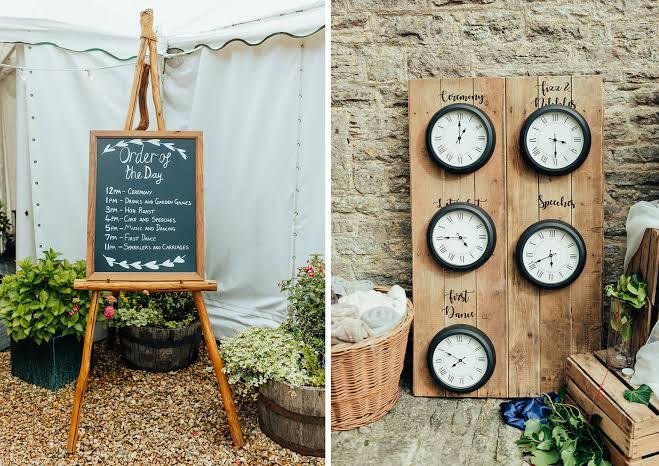
How to Create the Perfect Wedding Day Timeline
Your wedding day is filled with important moments, from getting ready and the ceremony to photographs, dinner, speeches, and the final celebration. Without a clear plan, even small delays can create unnecessary stress. A well-organized Wedding Day Timeline helps keep everyone informed, gives vendors enough time to prepare, and allows couples to enjoy their celebration without constantly checking the clock. Creating a timeline does not mean scheduling every second of the day. Instead, it provides a practical structure that keeps the major events moving while leaving enough flexibility for unexpected situations. Whether you are planning an intimate wedding or a large celebration, a thoughtful timeline can make the entire day feel smoother and more enjoyable. What Is a Wedding Day Timeline? A Wedding Day Timeline is a schedule that outlines the major activities and events taking place throughout your wedding day. It typically includes preparation, transportation, the ceremony, photography, reception activities, meals, speeches, entertainment, and the final departure. A timeline may look different for every couple, but its purpose is always the same: to make sure everyone knows where they need to be and when. A typical timeline may include: Why a Wedding Day Timeline Is Important A detailed timeline can help reduce confusion and improve coordination between the couple, wedding party, family members, and vendors. Keeps Everyone on the Same Page Your photographer, caterer, decorator, DJ, planner, transportation provider, and venue staff may all have different responsibilities. A shared schedule helps everyone understand when each part of the event should happen. Reduces Wedding Day Stress Knowing what is happening next can make the day feel more manageable. Instead of making decisions throughout the celebration, the couple and wedding party can follow a plan that was prepared in advance. Protects Time for Important Moments Wedding days can move quickly. Without a timeline, important activities such as couple portraits or family photographs may be rushed. A realistic schedule gives these moments the attention they deserve. Helps Manage Delays Unexpected situations can happen on any wedding day. Traffic, late arrivals, weather changes, wardrobe issues, or longer-than-expected photographs can affect the schedule. Building small buffers into your timeline gives you room to adjust without disrupting the entire day. Start With Your Ceremony Time One of the easiest ways to build a wedding timeline is to start with the ceremony. Once you know when the ceremony begins, work backward to determine when preparation, transportation, and photographs should take place. For example, if your ceremony starts at 4:00 PM, you might need to consider: Working backward from fixed events helps create a logical schedule. 1. Schedule Hair and Makeup Early Hair and makeup often take longer than couples initially expect, especially when several people are getting ready. Make sure your beauty team knows how many people they are working with and when everyone needs to be ready. The timeline should include enough time for: The couple should not be rushing into the ceremony immediately after getting ready. 2. Allow Time for Getting Dressed Getting dressed may seem like a quick task, but wedding attire can involve multiple layers, accessories, shoes, jewelry, ties, cufflinks, veils, or other details. Photographers may also want to capture these moments. Set aside dedicated time for getting dressed so the preparation does not interfere with the next scheduled activity. 3. Decide Whether to Have a First Look A first look gives couples an opportunity to see each other privately before the ceremony. It can also provide additional time for portraits before guests arrive. However, not every couple wants to see each other before the ceremony. Both approaches can work, so the decision should reflect your personal preferences and wedding plans. If you choose a first look, include time for: 4. Plan Family and Wedding Party Photos Photographs involving family members and the wedding party can take more time than expected. Create a list of the people who need to be photographed and provide it to your photographer in advance. Grouping photographs efficiently can help prevent delays. For example, you can organize the list into: Immediate Family Parents, siblings, grandparents, and other close family members. Extended Family Additional relatives who you would like included. Wedding Party Bridesmaids, groomsmen, maid or matron of honor, best man, and other members of the wedding party. Couple Portraits Dedicated time for photographs of the newly married couple. A planned shot list makes it easier to keep photographs organized. 5. Build in Transportation Time Travel time should always be included in your Wedding Day Timeline. Do not schedule transportation based only on the normal journey time. Traffic, parking, loading, and gathering everyone can add extra minutes. Consider travel between: Add a reasonable buffer to each journey. 6. Schedule Guest Arrival Guests should have enough time to arrive, park, find their seats, and settle in before the ceremony begins. Consider signage, ushers, transportation, and accessibility when planning guest arrival. For larger weddings, additional arrival time may be helpful because parking and seating can take longer. 7. Allow a Buffer Before the Ceremony A small buffer before the ceremony can be extremely useful. It gives the wedding party and vendors time to handle last-minute details without immediately affecting the ceremony start. The exact amount depends on your venue and wedding setup, but the basic principle is simple: avoid creating a schedule with no room for unexpected delays. 8. Plan the Ceremony Duration Your ceremony length should be reflected accurately in the timeline. A short civil ceremony may require a different schedule from a traditional, cultural, or religious ceremony. Ask your officiant about the expected duration and whether there are any special traditions or formalities that should be included. 9. Create a Smooth Transition to the Reception After the ceremony, guests may need time to move to another area or venue. Use this period wisely. Depending on your plans, this time could include: Make sure the transition between the ceremony and reception is clear to guests and vendors. 10. Schedule Reception Events Carefully A reception often includes many separate
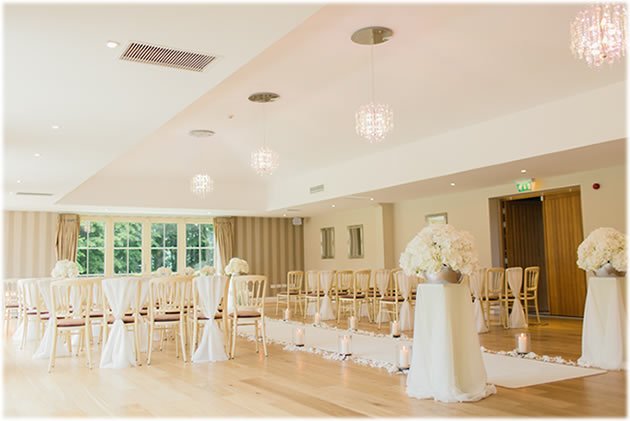
How to Choose the Perfect Wedding Venue: Essential Tips
Choosing the right wedding venue is one of the most important decisions couples make during the wedding planning process. The venue influences the atmosphere, guest experience, wedding style, photography, catering, and even the overall budget. With so many options available, finding the perfect location can feel overwhelming. From elegant hotels and luxurious wedding halls to outdoor gardens and destination venues, every option comes with different advantages and considerations. Following practical Wedding Venue Selection Tips can help couples compare their options, avoid common mistakes, and choose a venue that fits their vision, guest list, and budget. Why Choosing the Right Wedding Venue Matters Your wedding venue provides the setting for one of the most important days of your life. It is where your ceremony, reception, photographs, dining, entertainment, and celebrations may take place. The right venue can help create a comfortable and memorable experience for both the couple and their guests. Before booking a location, consider factors such as: Carefully evaluating these factors can make the planning process much easier. 1. Determine Your Wedding Style Before visiting venues, think about the type of wedding you want to create. Are you planning a luxurious ballroom wedding, a romantic garden ceremony, a modern celebration, or an intimate gathering? Your preferred style can immediately narrow down your venue options. For example, a grand ballroom may work well for a formal celebration, while a garden or outdoor venue may be more suitable for a relaxed and romantic wedding. Having a clear vision can help you identify venues that naturally match your desired atmosphere. 2. Set Your Wedding Budget Budget should be one of the first considerations when selecting a venue. A venue may advertise an attractive base price, but additional costs can sometimes include: Ask the venue for a detailed pricing breakdown before making a decision. It is also important to understand exactly what is included in the package and which services require additional payment. 3. Estimate Your Guest List The size of your guest list should influence your venue selection. A venue that is too small can make guests feel uncomfortable, while an excessively large space may make an intimate wedding feel empty. Create an approximate guest list before visiting venues. Then ask each venue about its comfortable capacity for your preferred seating arrangement. Remember to consider space for: 4. Consider the Venue Location Location is another important factor when choosing a wedding venue. Think about where your guests will be traveling from and how easily they can reach the venue. Consider: A beautiful venue may not provide the best experience if many guests have difficulty reaching it. 5. Check Available Wedding Dates Popular wedding venues can become booked months or even years in advance, depending on the location and season. Before becoming attached to a particular venue, ask about available dates. If you have flexibility, consider having several potential wedding dates. This can give you more options when comparing venues. Also ask about the venue’s policies regarding date changes or cancellations. 6. Understand What the Venue Package Includes Never assume that everything you need is included in the venue price. Ask the venue representative for a complete list of included services and facilities. Depending on the venue, a package may include: Understanding the package can help you calculate the actual cost more accurately. 7. Ask About Catering Options Food is an important part of almost every wedding celebration. Some venues require couples to use an in-house catering service, while others allow outside caterers. Ask about: If possible, schedule a food tasting before finalizing the catering arrangements. 8. Think About Photography Opportunities Your wedding photographs will preserve memories of your special day for years to come. When visiting a venue, look for areas that provide attractive photography opportunities. Consider: Ask whether photographers are allowed to use all relevant areas of the venue. A venue with multiple photography locations can provide more variety for your wedding album. 9. Check the Venue’s Facilities Take time to inspect the venue personally rather than relying only on photographs. Check the condition and availability of: A venue may look impressive online but feel very different when you visit it in person. 10. Consider Indoor and Outdoor Options If you are planning an outdoor wedding, always consider the weather. Ask the venue what happens if there is rain, extreme heat, strong winds, or another unexpected weather condition. A backup indoor space can provide peace of mind. Even for indoor weddings, check whether there are outdoor areas available for photographs, guest relaxation, or ceremonies. 11. Review the Venue’s Rules and Restrictions Every venue has its own policies. Before signing a contract, ask about restrictions related to: Understanding these rules in advance can prevent unpleasant surprises later. 12. Ask About Setup and Cleanup Time Your wedding vendors need enough time to prepare the venue. Ask when vendors can enter for setup and how much time is available after the wedding for cleanup. This is particularly important if you are hiring decorators, photographers, entertainment teams, caterers, or rental companies. A venue with limited setup time may require more detailed coordination. 13. Consider Your Guests’ Comfort A wedding should be enjoyable for everyone attending. Think about whether the venue provides enough seating, climate control, restroom facilities, parking, and space for guests to move comfortably. If children, elderly relatives, or guests with mobility needs will attend, make sure the venue can accommodate them. Guest comfort is an important part of creating a positive wedding experience. 14. Visit Your Shortlisted Venues Online research is useful, but photographs and virtual tours cannot always show the complete picture. Try to visit your shortlisted venues in person. During each visit, pay attention to: Taking notes and photographs during each visit can make it easier to compare your options later. 15. Read the Contract Carefully Before making a deposit, read the venue contract carefully. Make sure you understand: If anything is unclear, ask the venue representative for clarification before signing. Common Wedding Venue Selection Mistakes Knowing what to avoid