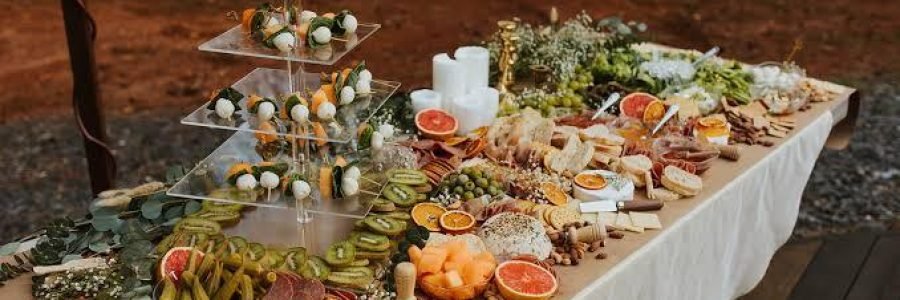
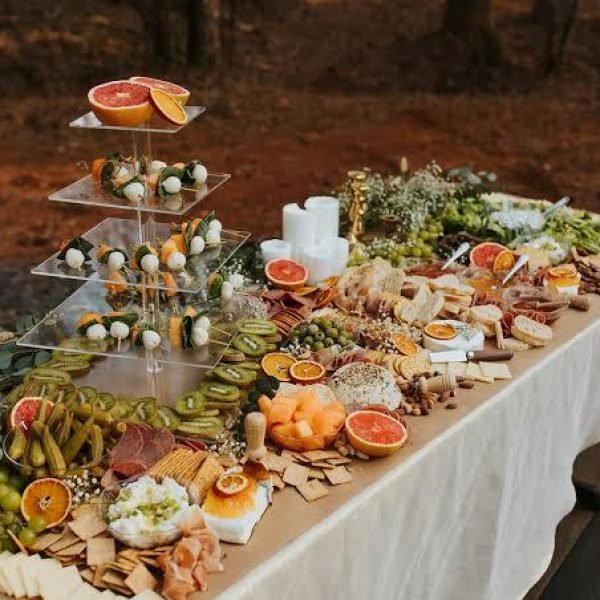
Food is one of the most memorable parts of a wedding celebration. Guests may forget some of the small details of the décor, but a delicious meal, beautiful presentation, and thoughtful dining experience can leave a lasting impression.
Choosing the right caterer involves much more than selecting a menu. Couples need to consider their guest list, wedding style, budget, dietary requirements, service format, venue, and overall guest experience.
Exploring different Wedding Catering Ideas can help you create a menu that suits your celebration while making the dining experience enjoyable and well organized.
Whether you are planning an elegant reception, a traditional wedding, or a relaxed outdoor celebration, the right catering plan can bring everything together.
Why Wedding Catering Is So Important
Catering plays an important role in the overall wedding experience. Food is often one of the parts of the celebration that guests experience directly, making menu planning an important part of wedding preparation.
Good wedding catering can help you:
- Create a memorable guest experience
- Match your menu to your wedding style
- Accommodate different dietary preferences
- Manage your food budget
- Provide smooth and organized service
- Add personality to the celebration
The goal is not simply to serve food. It is to create a dining experience that fits naturally into the wedding day.
1. Set Your Wedding Catering Budget
Before choosing a caterer, determine how much you can realistically allocate to food and beverage services.
Your catering budget may include more than the cost of the food itself. Ask about additional charges for:
- Servers
- Tableware
- Glassware
- Linens
- Setup
- Cleanup
- Transportation
- Service fees
- Taxes
- Overtime
- Beverage service
Request a detailed quotation so you understand the complete cost before signing an agreement.
2. Consider Your Guest List
Your guest list should influence nearly every catering decision.
Consider the number of guests as well as their ages, preferences, cultural backgrounds, and dietary needs.
A children’s menu may be useful for family weddings, while a formal multi-course meal may suit an elegant evening celebration.
You should also estimate how many guests will require vegetarian, vegan, halal, allergy-conscious, or other specialized options.
3. Choose a Catering Style
There are several ways to serve food at a wedding. The best option depends on your venue, guest list, budget, and preferred atmosphere.
Plated Dinner
With plated service, guests are served individually at their tables.
This style can create a more formal and structured dining experience and may work well for elegant weddings.
Buffet
A buffet allows guests to select their preferred dishes.
It provides variety and can work well for larger celebrations, although enough serving space and guest flow should be considered.
Family-Style Dining
Family-style service places larger dishes of food on the tables for guests to share.
This approach can create a relaxed and social atmosphere.
Food Stations
Food stations allow guests to visit different areas for particular dishes or cuisines.
Popular options might include:
- Dessert stations
- Pasta stations
- Grill stations
- Salad bars
- Live cooking stations
- Beverage stations
Cocktail-Style Reception
For a less traditional celebration, you may choose a menu of small bites and passed appetizers instead of a full seated meal.
This approach can encourage guests to move around and socialize.
4. Match the Menu to Your Wedding Style
Your menu should complement the overall atmosphere of your celebration.
A formal wedding might suit an elegant multi-course menu, while a garden or outdoor wedding might work well with a more relaxed selection.
Think about how the menu fits with:
- Wedding theme
- Venue
- Time of day
- Season
- Guest expectations
- Cultural traditions
- Formality of the event
A coordinated approach can make the entire celebration feel more intentional.
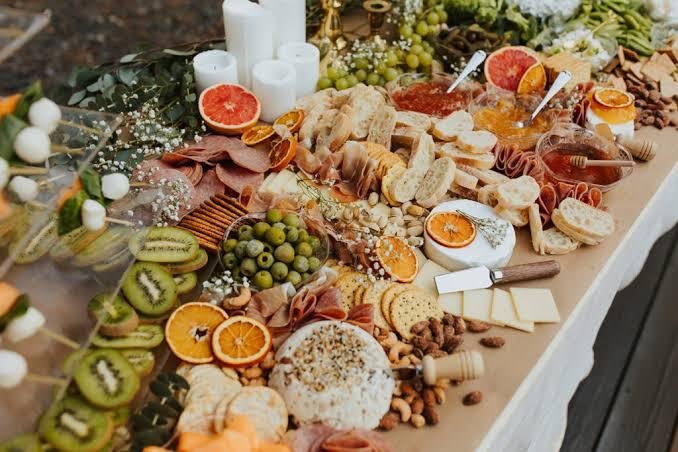
5. Choose Food That You and Your Guests Will Enjoy
Your wedding menu should include food that reflects your preferences while still considering your guests.
Think about your favorite dishes, family traditions, cuisines you enjoy, and foods that have personal meaning.
You can also include a mixture of familiar choices and a few more distinctive dishes.
The goal is to create variety without making the menu unnecessarily complicated.
6. Ask About Dietary Requirements
Dietary requirements should be discussed with your caterer early in the planning process.
Ask how they handle:
- Food allergies
- Vegetarian meals
- Vegan meals
- Halal requirements
- Gluten-free options
- Religious dietary restrictions
- Other food sensitivities
Make sure the caterer understands the importance of preventing cross-contact where relevant and can clearly identify alternative dishes.
7. Schedule a Food Tasting
A tasting gives you an opportunity to evaluate the food before making your final decisions.
During the tasting, pay attention to:
- Flavor
- Freshness
- Portion size
- Presentation
- Temperature
- Variety
- Overall quality
Try the dishes you are seriously considering rather than selecting a menu based only on descriptions.
A tasting is also a good opportunity to discuss possible substitutions or adjustments.
8. Ask How the Food Will Be Prepared
Understanding how the caterer prepares and serves food can help you make better decisions.
Ask questions such as:
- Where is the food prepared?
- Is it prepared at the venue?
- How is food kept at the appropriate temperature?
- How far in advance is it prepared?
- How many staff members will be present?
- How will service be coordinated?
The answers can give you a clearer picture of how the catering operation will work on your wedding day.
9. Consider Seasonal Ingredients
Seasonal ingredients can be a useful consideration when creating your menu.
Ask your caterer which ingredients are readily available around your wedding date.
A seasonal menu can also help your food feel connected to the time of year. Summer weddings, for example, may suit lighter dishes and refreshing beverages, while cooler-season celebrations may work well with warmer and more comforting selections.
10. Plan Appetizers and Cocktail-Hour Food
Guests may have some time between the ceremony and the main meal.
Offering appetizers during cocktail hour can keep guests comfortable and give them something to enjoy while they socialize.
Consider options such as:
- Finger foods
- Mini sandwiches
- Canapés
- Stuffed pastries
- Small desserts
- Fresh fruit
- Cheese selections
Choose appetizers that are practical to serve and easy for guests to enjoy while standing and talking.
11. Don’t Forget the Drinks
Beverages are an important part of wedding catering.
Depending on your preferences and venue, your options may include:
- Soft drinks
- Water
- Fresh juices
- Tea
- Coffee
- Mocktails
- Specialty beverages
You can also create a signature drink or mocktail that reflects the couple’s personality.
Make sure guests have easy access to water throughout the celebration.
12. Choose the Right Dessert
Dessert can be more than just a wedding cake.
You can explore different Wedding Catering Ideas for your sweet selection, including:
- Cupcake displays
- Dessert tables
- Mini pastries
- Donuts
- Chocolate stations
- Traditional sweets
- Ice cream
- Fruit-based desserts
You can combine your wedding cake with other desserts to give guests more variety.
13. Think About Presentation
Food presentation contributes to the overall dining experience.
Discuss how dishes will be presented and how the food service will fit into your wedding décor.
Consider:
- Table presentation
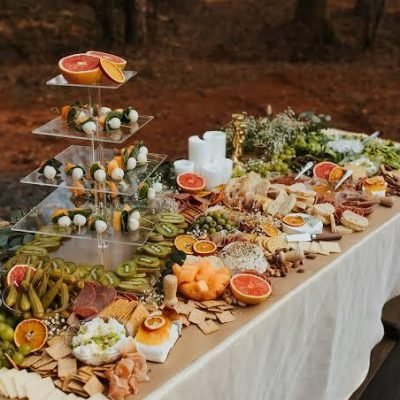
- Buffet styling
- Serving dishes
- Food stations
- Dessert displays
- Decorative elements
The presentation should complement your wedding theme without making service unnecessarily complicated.
14. Consider Cultural and Family Traditions
Food can have strong cultural and family significance.
A wedding may include traditional dishes that have been passed down through generations or foods associated with a particular culture or celebration.
Discuss these traditions with your caterer early so they can determine how best to incorporate them into the menu.
A combination of traditional favorites and modern options can give guests a varied dining experience.
15. Ask About Staff and Service
The catering team has a direct impact on how smoothly the meal service runs.
Ask how many staff members will be assigned to your wedding and what their responsibilities will be.
Important questions include:
- Who will supervise the catering team?
- How many servers will be present?
- Who handles table clearing?
- Who manages the buffet?
- Who coordinates with the venue?
- Who handles cleanup?
Clear responsibilities can help reduce confusion on the wedding day.
16. Coordinate Catering With Your Wedding Timeline
Your catering schedule should work with the rest of your Wedding Day Timeline.
Coordinate meal service with:
- Ceremony timing
- Cocktail hour
- Couple portraits
- Reception entrance
- Speeches
- First dance
- Entertainment
- Cake cutting
For example, if your speeches are scheduled during dinner, coordinate with the caterer so food service does not interfere with important moments.
17. Consider Your Venue’s Catering Rules
Some venues have specific catering policies.
Before booking a caterer, determine whether the venue:
- Requires an approved caterer
- Allows outside catering
- Has a preferred vendor list
- Charges a kitchen or catering fee
- Provides tables and equipment
- Has kitchen access
- Restricts certain foods or cooking methods
Understanding the venue’s policies can prevent problems later.
18. Plan for Late-Night Snacks
If your reception continues late into the evening, a small late-night snack can be a fun addition.
Possible options include:
- Mini burgers
- Fries
- Pizza slices
- Sandwiches
- Street-food-inspired bites
- Traditional snacks
- Mini desserts
Late-night food can give guests another option toward the end of a long celebration.
19. Consider Children’s Food Options
If children are attending, ask your caterer about age-appropriate meal choices.
Simple options can make dining easier for younger guests.
You may also want to coordinate children’s meals so they are served at a convenient time rather than requiring young guests to wait through a long formal meal service.
20. Understand the Catering Contract
Before signing, carefully review the catering agreement.
Make sure you understand:
- Menu details
- Guest count
- Price per person
- Additional fees
- Deposit
- Payment schedule
- Cancellation policy
- Final guest-count deadline
- Staffing
- Equipment
- Setup and cleanup
- Overtime charges
Ask for clarification about anything that is unclear.

Common Wedding Catering Mistakes to Avoid
Choosing a Menu Without a Tasting
Descriptions and photographs cannot always tell you what food will actually taste like.
Forgetting Dietary Requirements
Make sure you ask guests about relevant dietary requirements early enough to make suitable arrangements.
Ignoring Service Style
The same menu can feel very different depending on whether it is plated, buffet-style, family-style, or served through food stations.
Underestimating Food Quantities
Work with an experienced caterer to estimate realistic quantities based on your guest count and menu.
Not Asking About Extra Costs
Always ask about service charges, equipment, staffing, transportation, taxes, and other potential fees.
Forgetting the Wedding Timeline
Food service should be coordinated with photography, speeches, entertainment, and other important events.
A Simple Wedding Catering Checklist
Before finalizing your catering, ask yourself:
- ☐ Have we set our catering budget?
- ☐ Do we know our approximate guest count?
- ☐ Have we selected a suitable service style?
- ☐ Have we arranged a tasting?
- ☐ Does the menu fit our wedding style?
- ☐ Have we considered dietary requirements?
- ☐ Are beverages included?
- ☐ Have we selected desserts?
- ☐ Do we understand the staffing arrangements?
- ☐ Does the catering schedule fit our wedding timeline?
- ☐ Does the caterer meet our venue’s requirements?
- ☐ Have we reviewed the contract?
- ☐ Do we know all additional fees?
How WeddingsArtists Can Help With Wedding Planning
Wedding catering is one part of a much larger planning process. Couples also need to coordinate venues, photography, entertainment, décor, timelines, and guest experiences.
WeddingsArtists provides wedding inspiration and planning resources to help couples explore ideas for different aspects of their celebration.
From choosing wedding details to organizing the overall event, useful planning guidance can help couples make informed decisions and create a celebration that reflects their personality and priorities.
Frequently Asked Questions
What are some good Wedding Catering Ideas?
Popular ideas include plated dinners, buffets, family-style dining, food stations, cocktail-style menus, dessert tables, live cooking stations, cultural dishes, and late-night snacks.
When should I book a wedding caterer?
It is helpful to research and compare caterers early in the planning process, particularly for weddings held during busy seasons. Availability depends on the caterer and location.
Should I have a food tasting before booking?
A tasting can help you evaluate flavor, presentation, portion sizes, and menu options before making your final selection.
How do I choose a wedding menu?
Start with your budget, guest list, wedding style, cultural preferences, venue, and dietary requirements. Then work with your caterer to create a balanced menu.
What should I ask a wedding caterer?
Ask about menu options, pricing, tasting arrangements, staffing, service style, dietary requirements, setup and cleanup, equipment, venue requirements, cancellation terms, and additional fees.
Final Thoughts
Choosing the right wedding catering requires thoughtful planning and attention to both food and guest experience. From selecting a catering style and menu to arranging tastings, considering dietary requirements, and coordinating service with your timeline, each decision contributes to the overall celebration.
The best Wedding Catering Ideas are not necessarily the most complicated ones. The right choices are those that fit your budget, wedding style, guest needs, and personal preferences.
With careful preparation and clear communication with your caterer, you can create a dining experience that complements your wedding and gives your guests another reason to remember your special day.