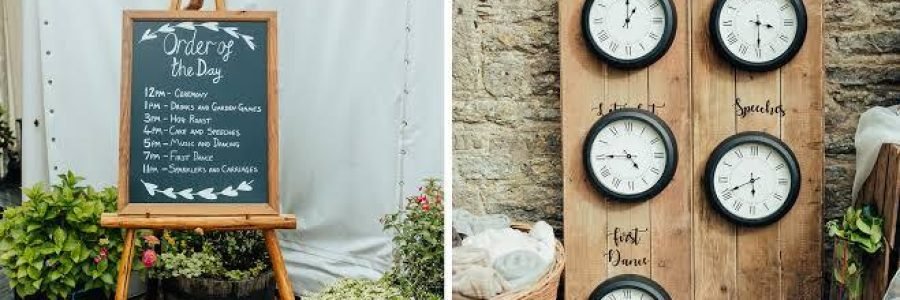
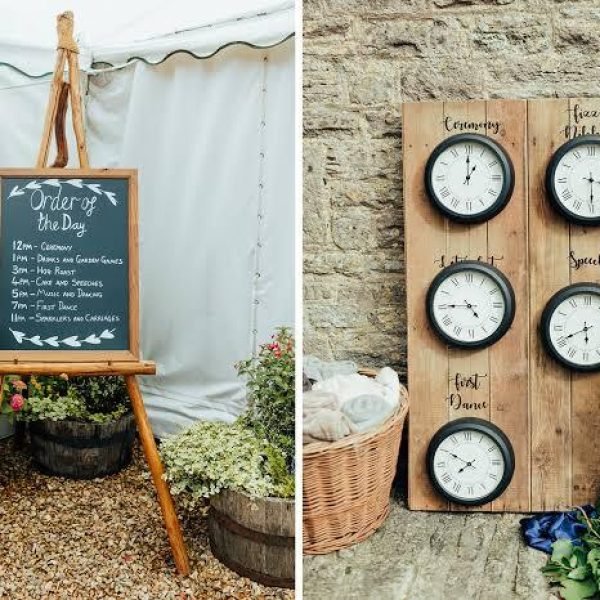
Your wedding day is filled with important moments, from getting ready and the ceremony to photographs, dinner, speeches, and the final celebration. Without a clear plan, even small delays can create unnecessary stress. A well-organized Wedding Day Timeline helps keep everyone informed, gives vendors enough time to prepare, and allows couples to enjoy their celebration without constantly checking the clock.
Creating a timeline does not mean scheduling every second of the day. Instead, it provides a practical structure that keeps the major events moving while leaving enough flexibility for unexpected situations.
Whether you are planning an intimate wedding or a large celebration, a thoughtful timeline can make the entire day feel smoother and more enjoyable.
What Is a Wedding Day Timeline?
A Wedding Day Timeline is a schedule that outlines the major activities and events taking place throughout your wedding day. It typically includes preparation, transportation, the ceremony, photography, reception activities, meals, speeches, entertainment, and the final departure.
A timeline may look different for every couple, but its purpose is always the same: to make sure everyone knows where they need to be and when.
A typical timeline may include:
- Hair and makeup
- Getting dressed
- First look
- Wedding party photographs
- Family photographs
- Guest arrival
- Wedding ceremony
- Cocktail hour
- Couple portraits
- Reception entrance
- Dinner
- Speeches and toasts
- Cake cutting
- First dance
- Dancing and entertainment
- Final send-off
Why a Wedding Day Timeline Is Important
A detailed timeline can help reduce confusion and improve coordination between the couple, wedding party, family members, and vendors.
Keeps Everyone on the Same Page
Your photographer, caterer, decorator, DJ, planner, transportation provider, and venue staff may all have different responsibilities.
A shared schedule helps everyone understand when each part of the event should happen.
Reduces Wedding Day Stress
Knowing what is happening next can make the day feel more manageable. Instead of making decisions throughout the celebration, the couple and wedding party can follow a plan that was prepared in advance.
Protects Time for Important Moments
Wedding days can move quickly. Without a timeline, important activities such as couple portraits or family photographs may be rushed.
A realistic schedule gives these moments the attention they deserve.
Helps Manage Delays
Unexpected situations can happen on any wedding day. Traffic, late arrivals, weather changes, wardrobe issues, or longer-than-expected photographs can affect the schedule.
Building small buffers into your timeline gives you room to adjust without disrupting the entire day.
Start With Your Ceremony Time
One of the easiest ways to build a wedding timeline is to start with the ceremony.
Once you know when the ceremony begins, work backward to determine when preparation, transportation, and photographs should take place.
For example, if your ceremony starts at 4:00 PM, you might need to consider:
- Guest arrival before the ceremony
- Wedding party arrival
- Final preparation
- Transportation
- Getting-ready photographs
- First look, if planned
- Couple and family photos
Working backward from fixed events helps create a logical schedule.
1. Schedule Hair and Makeup Early
Hair and makeup often take longer than couples initially expect, especially when several people are getting ready.
Make sure your beauty team knows how many people they are working with and when everyone needs to be ready.
The timeline should include enough time for:
- Bridal hair
- Bridal makeup
- Bridesmaids’ hair and makeup
- Touch-ups
- Getting dressed
- Final details
The couple should not be rushing into the ceremony immediately after getting ready.
2. Allow Time for Getting Dressed
Getting dressed may seem like a quick task, but wedding attire can involve multiple layers, accessories, shoes, jewelry, ties, cufflinks, veils, or other details.
Photographers may also want to capture these moments.
Set aside dedicated time for getting dressed so the preparation does not interfere with the next scheduled activity.
3. Decide Whether to Have a First Look
A first look gives couples an opportunity to see each other privately before the ceremony.
It can also provide additional time for portraits before guests arrive.
However, not every couple wants to see each other before the ceremony. Both approaches can work, so the decision should reflect your personal preferences and wedding plans.
If you choose a first look, include time for:
- The first look itself
- Couple portraits
- Wedding party photographs
- Family photographs, if appropriate
4. Plan Family and Wedding Party Photos
Photographs involving family members and the wedding party can take more time than expected.
Create a list of the people who need to be photographed and provide it to your photographer in advance.
Grouping photographs efficiently can help prevent delays.
For example, you can organize the list into:
Immediate Family
Parents, siblings, grandparents, and other close family members.
Extended Family
Additional relatives who you would like included.
Wedding Party
Bridesmaids, groomsmen, maid or matron of honor, best man, and other members of the wedding party.
Couple Portraits
Dedicated time for photographs of the newly married couple.
A planned shot list makes it easier to keep photographs organized.
5. Build in Transportation Time
Travel time should always be included in your Wedding Day Timeline.
Do not schedule transportation based only on the normal journey time. Traffic, parking, loading, and gathering everyone can add extra minutes.
Consider travel between:
- Hotel and preparation location
- Preparation location and ceremony
- Ceremony and reception
- Reception and final departure
Add a reasonable buffer to each journey.
6. Schedule Guest Arrival
Guests should have enough time to arrive, park, find their seats, and settle in before the ceremony begins.
Consider signage, ushers, transportation, and accessibility when planning guest arrival.
For larger weddings, additional arrival time may be helpful because parking and seating can take longer.
7. Allow a Buffer Before the Ceremony
A small buffer before the ceremony can be extremely useful.
It gives the wedding party and vendors time to handle last-minute details without immediately affecting the ceremony start.
The exact amount depends on your venue and wedding setup, but the basic principle is simple: avoid creating a schedule with no room for unexpected delays.
8. Plan the Ceremony Duration
Your ceremony length should be reflected accurately in the timeline.
A short civil ceremony may require a different schedule from a traditional, cultural, or religious ceremony.
Ask your officiant about the expected duration and whether there are any special traditions or formalities that should be included.
9. Create a Smooth Transition to the Reception
After the ceremony, guests may need time to move to another area or venue.
Use this period wisely.
Depending on your plans, this time could include:
- Cocktail hour
- Guest refreshments
- Couple portraits
- Family photographs
- Venue transitions
- Reception setup
Make sure the transition between the ceremony and reception is clear to guests and vendors.
10. Schedule Reception Events Carefully
A reception often includes many separate activities.
Your schedule may include:
- Grand entrance
- Welcome or opening remarks
- Dinner
- Speeches and toasts
- Cake cutting
- First dance
- Parent dances
- Entertainment
- Open dancing
- Final send-off
The exact order can be changed according to your preferences, cultural traditions, venue requirements, and entertainment plans.
11. Coordinate With Your Vendors
Your timeline should not be created only for the couple.
Share the finalized schedule with all major vendors.
Important vendors may include:
- Wedding planner
- Venue coordinator
- Photographer
- Videographer
- Caterer
- DJ or band
- Florist
- Decorator
- Transportation provider
- Makeup artist
- Hair stylist
When everyone understands the schedule, it becomes easier to coordinate transitions and prepare for the next event.
12. Don’t Forget Meal Times
Couples sometimes become so busy with photographs, greetings, and formalities that they forget to schedule enough time to eat.
Speak with your caterer about when the couple should be served.
A dedicated meal period can help the couple enjoy their food before returning to the celebration.
You may also want to coordinate vendor meals separately so photographers, planners, DJs, and other professionals know when and where they can eat.
13. Leave Time for Couple Portraits
Your wedding photographs will become lasting reminders of the celebration.
Try to reserve dedicated time for couple portraits rather than attempting to fit them into small gaps throughout the day.
Depending on your photography plan, portraits may happen:
- Before the ceremony
- During cocktail hour
- Immediately after the ceremony
- At sunset
- During the reception
Discuss the best timing with your photographer based on your venue and desired photography style.
14. Plan for Sunset and Golden-Hour Photos
Natural light can create beautiful wedding photographs.
If outdoor sunset portraits are important to you, check the approximate sunset time for your wedding date and location.
Then reserve a short window in your timeline for those photographs.
This can be especially useful for couples who want scenic outdoor portraits without missing a major part of the reception.
15. Keep Some Flexibility
A perfect wedding timeline should not feel like a strict checklist.
Allow some flexibility because real wedding days rarely go exactly according to plan.
A few extra minutes between important activities can make it easier to recover from small delays.
The goal is not to make everything happen at precisely one minute past the hour. The goal is to create a structure that supports a relaxed and enjoyable celebration.
Example Wedding Day Timeline
Every wedding is different, but the following example can help you understand how different activities can fit together.
Morning
9:00 AM: Hair and makeup begin
11:30 AM: Getting-ready photographs
12:00 PM: Couple gets dressed
12:30 PM: First look
1:00 PM: Couple and wedding party portraits
2:00 PM: Family photographs
Afternoon
3:00 PM: Wedding party prepares for ceremony
3:30 PM: Guests begin arriving
4:00 PM: Wedding ceremony
4:30 PM: Cocktail hour
4:45 PM: Couple portraits
Evening
5:30 PM: Reception entrance
5:45 PM: Welcome remarks
6:00 PM: Dinner
7:00 PM: Speeches and toasts
7:30 PM: Cake cutting and first dance
8:00 PM: Open dancing and entertainment
10:30 PM: Final send-off
This is only an example. Your schedule should reflect your ceremony type, venue, guest count, cultural traditions, vendor requirements, and personal preferences.
Common Wedding Timeline Mistakes to Avoid
Scheduling Everything Too Tightly
Leaving no gaps between activities can cause one small delay to affect the rest of the day.
Forgetting Travel Time
Travel and parking should be part of the schedule rather than an afterthought.
Not Sharing the Timeline
A timeline is most useful when everyone who needs it has access to the same information.
Forgetting Vendor Setup
Decorators, caterers, entertainment teams, and photographers may need access to the venue before guests arrive.
Underestimating Photography Time
Family photographs and group portraits can take longer when many people are involved.
Skipping Buffer Time
A few flexible minutes can make a major difference when unexpected situations occur.
How to Make Your Wedding Day Timeline Easy to Follow
Keep the final timeline clear and easy to understand.
Use simple time blocks and identify who is responsible for each activity.
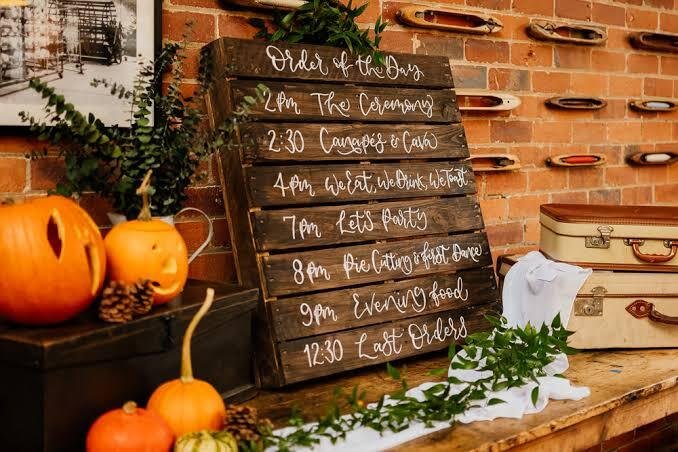
For example:
4:00 PM — Ceremony begins
4:30 PM — Cocktail hour
4:45 PM — Couple portraits
5:30 PM — Reception entrance
You can create separate versions for the couple, wedding party, family members, and vendors when necessary.
A digital copy can also make it easier to share updates with the people involved.
How WeddingsArtists Can Help With Wedding Planning
Creating a Wedding Day Timeline is just one part of planning a successful celebration. Couples also need to organize venues, vendors, décor, photography, entertainment, guest arrangements, and many other details.
WeddingsArtists provides wedding planning inspiration and resources designed to help couples navigate different stages of their wedding journey.
With thoughtful planning and the right information, couples can create a wedding day that feels organized while still leaving room to enjoy every special moment.
Frequently Asked Questions
What should a Wedding Day Timeline include?
A Wedding Day Timeline can include getting ready, hair and makeup, photographs, transportation, guest arrival, the ceremony, cocktail hour, reception activities, meals, speeches, dancing, and the final departure.
How detailed should a wedding timeline be?
It should be detailed enough to keep important activities organized but flexible enough to accommodate unexpected changes.
Who should receive the wedding timeline?
Key vendors, the wedding party, close family members, and anyone responsible for coordinating an event should receive the relevant version of the timeline.
How much buffer time should I include?
There is no single amount that works for every wedding. Add practical gaps around transportation, photography, venue transitions, and major events so small delays do not disrupt the entire day.
When should I finalize my Wedding Day Timeline?
It is useful to develop a preliminary timeline during the planning process and finalize it after confirming the venue, vendors, ceremony details, transportation, and reception schedule.
Final Thoughts
A well-planned Wedding Day Timeline gives your celebration structure without taking away the joy and spontaneity of the day. By starting with your ceremony time, coordinating with vendors, allowing realistic travel and photography periods, and building in flexibility, you can create a schedule that works for your wedding.
The most important thing is to create a timeline that supports your priorities. When the schedule is realistic and everyone understands their role, you can spend less time worrying about what happens next and more time enjoying the people and moments that make your wedding special.