
Choosing the right wedding venue is one of the most important decisions couples make during the wedding planning process. The venue influences the atmosphere, guest experience, wedding style, photography, catering, and even the overall budget.
With so many options available, finding the perfect location can feel overwhelming. From elegant hotels and luxurious wedding halls to outdoor gardens and destination venues, every option comes with different advantages and considerations.
Following practical Wedding Venue Selection Tips can help couples compare their options, avoid common mistakes, and choose a venue that fits their vision, guest list, and budget.
Why Choosing the Right Wedding Venue Matters
Your wedding venue provides the setting for one of the most important days of your life. It is where your ceremony, reception, photographs, dining, entertainment, and celebrations may take place.
The right venue can help create a comfortable and memorable experience for both the couple and their guests.
Before booking a location, consider factors such as:
- Wedding style and theme
- Number of guests
- Location and accessibility
- Venue capacity
- Available facilities
- Catering options
- Photography opportunities
- Parking and transportation
- Budget
- Date availability
Carefully evaluating these factors can make the planning process much easier.
1. Determine Your Wedding Style
Before visiting venues, think about the type of wedding you want to create.
Are you planning a luxurious ballroom wedding, a romantic garden ceremony, a modern celebration, or an intimate gathering?
Your preferred style can immediately narrow down your venue options.
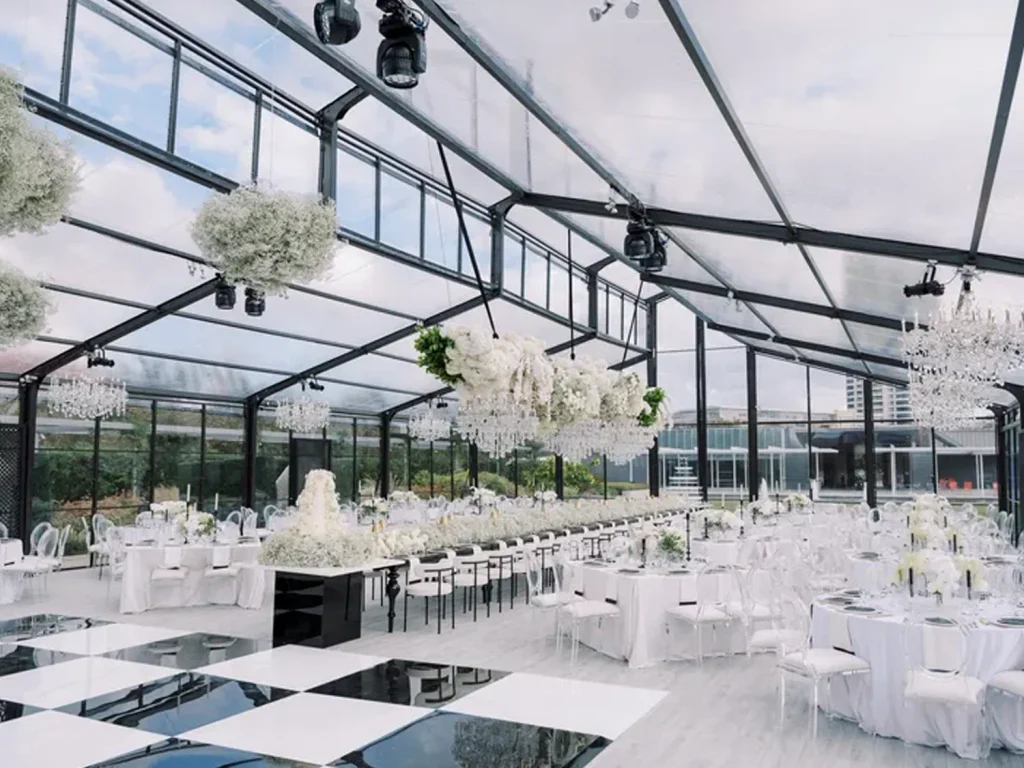
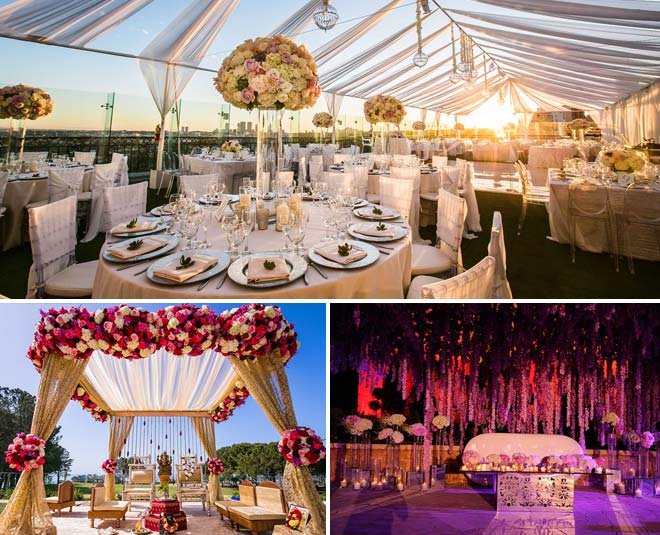
For example, a grand ballroom may work well for a formal celebration, while a garden or outdoor venue may be more suitable for a relaxed and romantic wedding.
Having a clear vision can help you identify venues that naturally match your desired atmosphere.
2. Set Your Wedding Budget
Budget should be one of the first considerations when selecting a venue.
A venue may advertise an attractive base price, but additional costs can sometimes include:
- Catering
- Service charges
- Decorations
- Furniture
- Lighting
- Sound equipment
- Security
- Parking
- Cleaning fees
- Overtime charges
Ask the venue for a detailed pricing breakdown before making a decision.
It is also important to understand exactly what is included in the package and which services require additional payment.
3. Estimate Your Guest List
The size of your guest list should influence your venue selection.
A venue that is too small can make guests feel uncomfortable, while an excessively large space may make an intimate wedding feel empty.
Create an approximate guest list before visiting venues. Then ask each venue about its comfortable capacity for your preferred seating arrangement.
Remember to consider space for:
- Dining tables
- Dance floors
- Stages
- Entertainment
- Buffet areas
- Wedding ceremonies
- Photography
- Guest movement
4. Consider the Venue Location
Location is another important factor when choosing a wedding venue.
Think about where your guests will be traveling from and how easily they can reach the venue.
Consider:
- Distance from major roads
- Parking availability
- Public transportation
- Nearby hotels
- Traffic conditions
- Accessibility for elderly guests
- Accessibility for guests with disabilities
A beautiful venue may not provide the best experience if many guests have difficulty reaching it.
5. Check Available Wedding Dates
Popular wedding venues can become booked months or even years in advance, depending on the location and season.
Before becoming attached to a particular venue, ask about available dates.
If you have flexibility, consider having several potential wedding dates. This can give you more options when comparing venues.
Also ask about the venue’s policies regarding date changes or cancellations.
6. Understand What the Venue Package Includes
Never assume that everything you need is included in the venue price.
Ask the venue representative for a complete list of included services and facilities.
Depending on the venue, a package may include:
- Tables and chairs
- Catering
- Basic decorations
- Lighting
- Sound systems
- Bridal suite
- Parking
- Staff
- Cleaning services
Understanding the package can help you calculate the actual cost more accurately.
7. Ask About Catering Options
Food is an important part of almost every wedding celebration.
Some venues require couples to use an in-house catering service, while others allow outside caterers.
Ask about:
- Menu options
- Food tasting
- Dietary requirements
- Vegetarian options
- Dessert services
- Beverage packages
- Catering fees
- Outside catering policies
If possible, schedule a food tasting before finalizing the catering arrangements.
8. Think About Photography Opportunities
Your wedding photographs will preserve memories of your special day for years to come.
When visiting a venue, look for areas that provide attractive photography opportunities.
Consider:
- Natural lighting
- Gardens
- Architectural features
- Indoor photo areas
- Outdoor spaces
- Bridal preparation rooms
- Ceremony backgrounds
Ask whether photographers are allowed to use all relevant areas of the venue.
A venue with multiple photography locations can provide more variety for your wedding album.
9. Check the Venue’s Facilities
Take time to inspect the venue personally rather than relying only on photographs.
Check the condition and availability of:
- Restrooms
- Bridal suites
- Guest areas
- Kitchen facilities
- Parking
- Air conditioning or heating
- Electricity
- Lighting
- Seating
- Accessibility facilities
A venue may look impressive online but feel very different when you visit it in person.
10. Consider Indoor and Outdoor Options
If you are planning an outdoor wedding, always consider the weather.
Ask the venue what happens if there is rain, extreme heat, strong winds, or another unexpected weather condition.
A backup indoor space can provide peace of mind.
Even for indoor weddings, check whether there are outdoor areas available for photographs, guest relaxation, or ceremonies.
11. Review the Venue’s Rules and Restrictions
Every venue has its own policies.
Before signing a contract, ask about restrictions related to:
- Decorations
- Candles
- Fireworks
- Music
- Entertainment
- Alcohol
- Outside vendors
- Catering
- Photography
- Event timing
- Setup and cleanup
Understanding these rules in advance can prevent unpleasant surprises later.
12. Ask About Setup and Cleanup Time
Your wedding vendors need enough time to prepare the venue.
Ask when vendors can enter for setup and how much time is available after the wedding for cleanup.
This is particularly important if you are hiring decorators, photographers, entertainment teams, caterers, or rental companies.
A venue with limited setup time may require more detailed coordination.
13. Consider Your Guests’ Comfort
A wedding should be enjoyable for everyone attending.
Think about whether the venue provides enough seating, climate control, restroom facilities, parking, and space for guests to move comfortably.
If children, elderly relatives, or guests with mobility needs will attend, make sure the venue can accommodate them.
Guest comfort is an important part of creating a positive wedding experience.
14. Visit Your Shortlisted Venues
Online research is useful, but photographs and virtual tours cannot always show the complete picture.
Try to visit your shortlisted venues in person.
During each visit, pay attention to:
- Overall atmosphere
- Cleanliness
- Staff professionalism
- Space and layout
- Lighting
- Noise levels
- Facilities
- Guest accessibility
Taking notes and photographs during each visit can make it easier to compare your options later.
15. Read the Contract Carefully
Before making a deposit, read the venue contract carefully.
Make sure you understand:
- Total cost
- Deposit amount
- Payment schedule
- Cancellation policy
- Refund policy
- Overtime charges
- Vendor restrictions
- Event timing
- Damage policies
- Included services
If anything is unclear, ask the venue representative for clarification before signing.
Common Wedding Venue Selection Mistakes
Knowing what to avoid can be just as useful as knowing what to look for.
Choosing a Venue Before Setting a Budget
Booking a venue without establishing a realistic budget can create financial pressure later.
Ignoring Guest Capacity
A venue should comfortably accommodate your expected number of guests and the activities you have planned.
Not Checking Hidden Costs
Additional fees can significantly affect your final budget. Always ask for a complete cost breakdown.
Forgetting a Weather Backup
Outdoor weddings require a backup plan. Ask about alternative arrangements before booking.
Relying Only on Online Photos
Professional photographs may not fully represent the venue’s current condition or layout. An in-person visit is valuable.
Not Reading the Contract
Never assume you understand the venue’s policies without reviewing the actual agreement.
A Simple Wedding Venue Selection Checklist
Before booking a venue, ask yourself:
- Does the venue fit my wedding style?
- Is it within my budget?
- Can it comfortably accommodate my guest list?
- Is the location convenient?
- Is my preferred date available?
- What is included in the package?
- Are there additional fees?
- Can I choose my own vendors?
- Are catering options suitable?
- Does the venue have good photography locations?
- Is there an indoor or outdoor backup option?
- Are the venue rules suitable for my plans?
- Have I reviewed the contract carefully?
If the venue meets your essential requirements, it can become a strong candidate for your wedding.
How WeddingsArtists Can Help With Wedding Planning
Choosing a venue is only one part of creating a memorable wedding. Couples also need to coordinate vendors, photography, décor, entertainment, timelines, and many other details.
WeddingsArtists provides wedding-focused inspiration and planning resources to help couples make informed decisions throughout their wedding journey.
From discovering wedding ideas to planning important details, having the right resources can make the process more organized and enjoyable.
A carefully selected venue combined with thoughtful planning can help create a wedding experience that reflects the couple’s personality and vision.
Frequently Asked Questions
What should I consider when choosing a wedding venue?
Consider your budget, guest count, wedding style, location, availability, facilities, catering, photography opportunities, venue policies, and contract terms.
How early should I book a wedding venue?
Popular venues can book well in advance, especially during busy wedding seasons. Starting your venue search early gives you more dates and options to choose from.
How do I choose a wedding venue within my budget?
Set your overall wedding budget first, determine how much you can allocate to the venue, and ask for a complete breakdown of all included and additional costs.
Should I visit a wedding venue before booking?
Yes. An in-person visit allows you to evaluate the venue’s actual size, condition, layout, facilities, atmosphere, and accessibility.
What questions should I ask a wedding venue?
Ask about pricing, availability, capacity, catering, vendor restrictions, setup time, cancellation policies, additional fees, facilities, parking, and backup plans.
Final Thoughts
Choosing the perfect wedding venue requires more than finding a beautiful location. The venue should match your wedding style, budget, guest list, practical requirements, and overall vision.
By following these Wedding Venue Selection Tips, couples can compare their options more confidently and avoid common planning mistakes. Take time to visit venues, ask detailed questions, review contracts, and consider the experience from both the couple’s and guests’ perspectives.
The right venue provides the foundation for a celebration that feels organized, comfortable, beautiful, and personal.