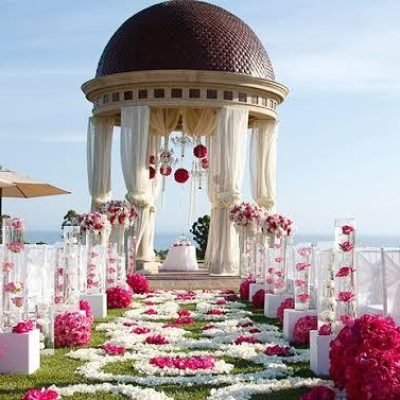

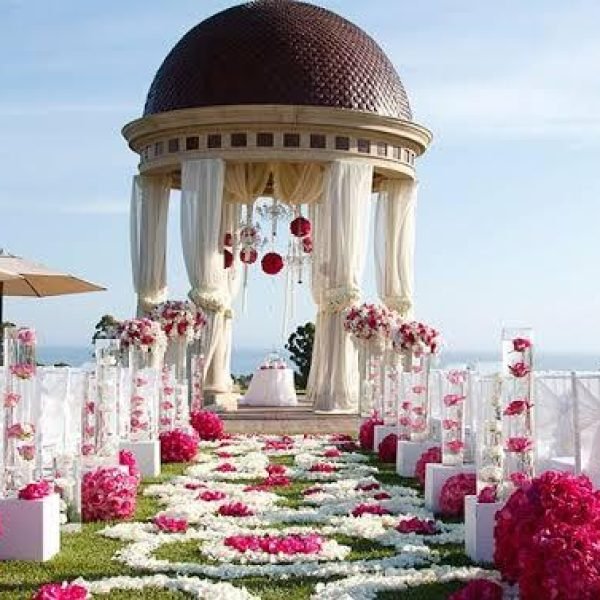
A destination wedding can turn your special day into an unforgettable experience for both you and your guests. Whether you dream of a beach celebration, a romantic European-inspired venue, a luxurious resort, or a beautiful destination closer to home, getting married away from your usual location requires careful planning.
Unlike a traditional local wedding, destination weddings involve additional decisions such as travel, accommodation, legal requirements, guest coordination, weather, transportation, and communication with vendors from a distance.
Following practical Destination Wedding Planning Tips can help couples stay organized, manage expectations, and create a celebration that feels personal and enjoyable.
What Is a Destination Wedding?
A destination wedding is a wedding held away from the couple’s usual hometown or primary location. Some couples choose a destination that has personal significance, while others select a location simply because they love the setting.
Destination weddings can range from small gatherings with close family and friends to larger celebrations at hotels, resorts, private venues, or other event locations.
Popular destination wedding settings can include:
- Beaches
- Resorts
- Mountains
- Historic venues
- Gardens
- Private estates
- Luxury hotels
- Countryside locations
- Scenic outdoor venues
The location you choose will influence many other aspects of your planning.
Why Destination Wedding Planning Requires Extra Preparation
Planning a wedding from a distance can be more complicated than organizing an event close to home.
You may need to coordinate with vendors you cannot meet regularly in person. Your guests may also need additional information about flights, accommodation, transportation, and local arrangements.
Important planning areas include:
- Destination selection
- Budget
- Guest travel
- Accommodation
- Venue
- Local vendors
- Legal requirements
- Wedding timeline
- Weather
- Communication
- Emergency planning
Starting early gives you more time to research and organize these details.
1. Choose the Right Destination
The destination should match your wedding vision as well as your practical needs.
Think about the type of experience you want to create. A beach wedding may offer a relaxed atmosphere, while a historic city may provide architecture and cultural experiences.
Consider:
- Travel accessibility
- Weather during your preferred dates
- Venue availability
- Accommodation options
- Local activities
- Transportation
- Local wedding requirements
- Overall wedding costs
Also think about your guests. A location that is difficult or expensive to reach may not work for everyone you want to invite.
2. Set a Realistic Budget
A destination wedding budget should include more than the venue and wedding reception.
Potential expenses can include:
- Venue
- Catering
- Photography
- Decorations
- Entertainment
- Wedding attire
- Flights
- Accommodation
- Ground transportation
- Vendor travel
- Legal documentation
- Welcome events
- Pre-wedding activities
- Guest amenities
Create a detailed budget early and leave some room for unexpected expenses.
Currency exchange rates, travel costs, taxes, service fees, and local pricing can affect the final amount.
3. Create a Guest List Early
Your guest list can influence where you hold your destination wedding and how you organize it.
Start by determining which family members and friends you most want to have present.
Once you have a preliminary list, consider:
- Travel distance
- Accommodation costs
- Accessibility
- Children’s needs
- Elderly guests
- Transportation
- Overall affordability
You do not need to invite everyone you know. A destination wedding can naturally become a more intimate celebration focused on the people closest to you.
4. Send Save-the-Dates Early
Guests need more planning time for a destination wedding than they may need for a local event.
Send save-the-dates early enough for your guests to consider travel arrangements, time off work, accommodation, and other expenses.
Your initial information can include:
- Wedding destination
- Wedding date or expected date
- General accommodation information
- Travel planning information
- Wedding website, if available
Provide additional details as arrangements become finalized.
5. Choose the Right Wedding Venue
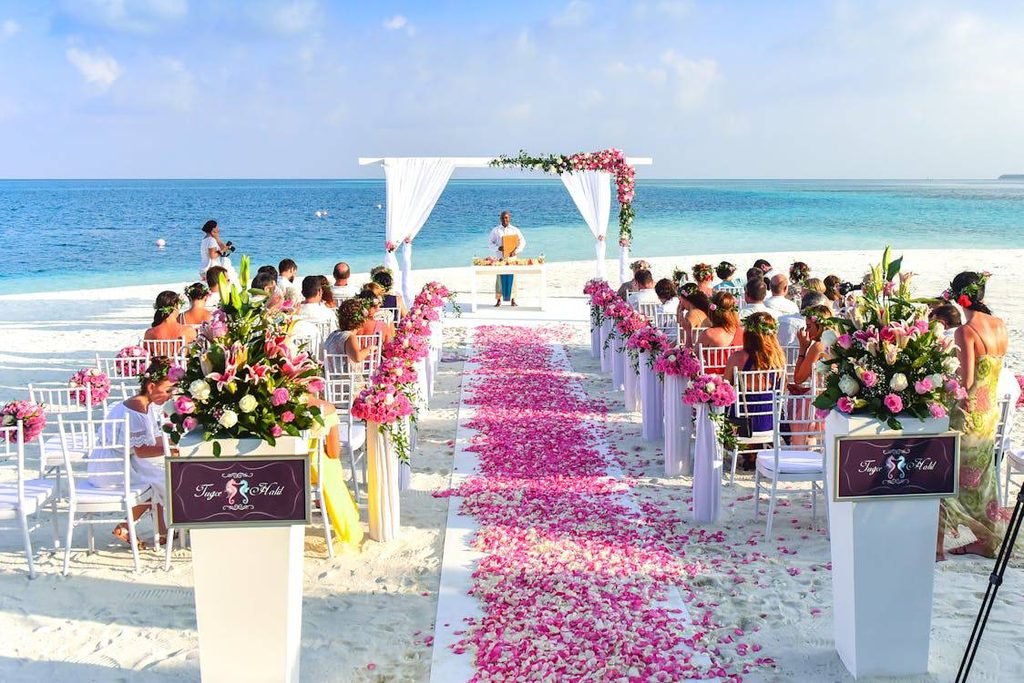
The venue is one of the most important destination wedding decisions.
Look beyond photographs and promotional material. Research the layout, facilities, service options, guest capacity, accessibility, and weather backup arrangements.
Ask the venue about:
- Ceremony spaces
- Reception areas
- Guest accommodation
- Catering
- Indoor alternatives
- Outdoor spaces
- Vendor restrictions
- Setup times
- Parking or transportation
- Event duration
A virtual tour or video call can be useful when visiting the location in person is difficult.
6. Research Local Wedding Vendors
Working with local vendors can make destination planning easier because they understand the area, venue, local conditions, and available resources.
Depending on your needs, you may require:
- Wedding planner
- Photographer
- Videographer
- Florist
- Caterer
- Makeup artist
- Hair stylist
- Decorator
- Entertainment provider
- Transportation company
Research portfolios, reviews, packages, availability, and contracts carefully before booking.
7. Consider Hiring a Local Wedding Planner
A local wedding planner can be particularly helpful for destination celebrations.
A planner who understands the destination may help coordinate vendors, venue logistics, transportation, schedules, and other local arrangements.
This can be valuable when the couple is planning remotely and cannot regularly visit the venue.
Before booking a planner, clarify:
- Services included
- Communication process
- Vendor coordination
- On-site support
- Additional charges
- Cancellation terms
8. Research Legal and Marriage Requirements
Legal requirements can differ significantly depending on the destination and the couple’s circumstances.
Before making final arrangements, research the applicable marriage laws and required documentation.
Requirements may involve:
- Identification documents
- Birth certificates
- Marriage applications
- Residency rules
- Witness requirements
- Translations
- Authentication or legalization
- Waiting periods
Because legal rules can change and may vary by destination, verify the current requirements with the relevant official authority or a qualified local professional well before the wedding.
9. Consider the Weather and Season
Weather should play a major role in your destination selection.
Research the typical conditions for your chosen dates and ask the venue about practical alternatives if the weather changes.
Consider:
- Temperature
- Rain
- Wind
- Humidity
- Sun exposure
- Seasonal conditions
- Sunset timing
An indoor backup space can provide additional flexibility for outdoor weddings.
10. Plan Guest Accommodation
Make accommodation as simple as possible for your guests.
Research hotels, resorts, apartments, or other suitable options near the wedding venue.
Consider offering several options at different price points when possible.
Provide guests with information about:
- Accommodation choices
- Booking deadlines
- Transportation
- Check-in and check-out
- Nearby restaurants
- Local attractions
- Contact information
Clear information can make the travel experience less stressful.
11. Arrange Airport and Local Transportation
Transportation should be part of your destination wedding plan.
Consider how guests will travel:
- From the airport to their accommodation
- From accommodation to the venue
- Between wedding events
- Back to their accommodation after the celebration
For larger destination weddings, group transportation may simplify logistics.
Share pickup locations and schedules clearly with guests before their arrival.
12. Build a Complete Wedding Weekend Itinerary
A destination wedding can be more than one event.
Because guests have traveled to celebrate with you, you may choose to organize activities before and after the wedding.
Your itinerary might include:
Arrival Day
Guest check-in and a welcome gathering.
Pre-Wedding Event
Welcome dinner, cultural celebration, or informal gathering.
Wedding Day
Ceremony, reception, photographs, dinner, and entertainment.
Post-Wedding Activity
Brunch, sightseeing, beach outing, or another group activity.
Do not make every activity mandatory. Give guests enough free time to relax and enjoy the destination.
13. Think About Your Guests’ Experience
Guest experience should be an important part of Destination Wedding Planning Tips.
Your guests are making a significant commitment by traveling to your wedding.
Small thoughtful details can make their experience more comfortable.
Consider providing:
- Welcome information
- Local recommendations
- Transportation details
- Wedding weekend itinerary
- Emergency contact information
- Welcome gifts
- Local snacks or refreshments
- Useful destination information
A simple welcome package can help guests feel prepared when they arrive.
14. Plan the Wedding Menu Around the Destination
Food can be an opportunity to introduce guests to the culture and flavors of your destination.
You can include local specialties alongside familiar options for guests who may prefer traditional choices.
Think about:
- Local cuisine
- Dietary requirements
- Vegetarian options
- Children’s meals
- Allergies
- Cultural preferences
- Beverage options
Schedule a tasting whenever possible, either during a venue visit or through a trusted local arrangement.
15. Incorporate Local Culture
One of the benefits of a destination wedding is the opportunity to incorporate elements of the local culture.
You might include:
- Traditional music
- Local cuisine
- Cultural decorations
- Traditional clothing
- Local flowers
- Regional entertainment
- Cultural ceremonies or customs
Make sure cultural elements are incorporated respectfully and in a way that feels meaningful to you and your families.
16. Plan Your Wedding Photography Carefully
Destination weddings often provide beautiful photography opportunities.
Discuss the location with your photographer ahead of time and identify possible portrait areas.
Consider:
- Landscapes
- Architecture
- Beaches
- Gardens
- Historic features
- Sunset locations
- Scenic viewpoints
Your photographer can help you plan the best times for different types of photographs based on the venue and local conditions.
17. Create a Detailed Wedding Day Timeline
A destination wedding may involve more transportation and coordination than a local wedding.
Create a detailed timeline that includes:
- Getting ready
- Transportation
- Guest arrival
- Ceremony
- Family photographs
- Couple portraits
- Cocktail hour
- Reception
- Dinner
- Speeches
- Entertainment
- Final departure
Share the relevant schedule with vendors, your wedding party, and guests.
18. Prepare for Travel and Vendor Logistics
Some vendors may need to travel to the destination, while others may be local.
If you bring vendors from home, clarify:
- Travel expenses
- Accommodation
- Equipment transportation
- Meals
- Setup requirements
- Working hours
- Additional travel days
Get these details in writing so there are no misunderstandings later.
19. Prepare an Emergency and Backup Plan
Destination weddings can involve unexpected issues.
Prepare for possibilities such as:
- Weather changes
- Transportation delays
- Vendor cancellations
- Lost luggage
- Health concerns
- Venue changes
- Equipment problems
Keep important vendor contacts and documents available digitally and in another accessible format.
A backup plan does not mean expecting problems. It simply gives you options if something unexpected happens.
20. Enjoy the Destination With Your Guests
One of the best parts of a destination wedding is the opportunity to spend meaningful time with family and friends.
However, avoid creating an itinerary that leaves everyone exhausted.
Give your guests opportunities to:
- Rest
- Explore
- Enjoy local attractions
- Spend time independently
- Relax before the wedding
The wedding should be the highlight of the trip, not a schedule that takes over the entire vacation.
Common Destination Wedding Planning Mistakes
Choosing a Destination Without Considering Guests
A location may look perfect but still be difficult for important guests to reach.
Underestimating the Total Cost
Travel, accommodation, transportation, taxes, and local fees can add significantly to the overall budget.
Ignoring Legal Requirements
Marriage requirements can differ by destination. Research them early and verify them with the appropriate authorities.
Planning Without a Backup Option
Outdoor weddings especially need an alternative plan for unexpected weather.
Booking Vendors Without Research
Always review portfolios, references, contracts, pricing, and availability before making decisions.
Giving Guests Information Too Late
Guests need time to arrange flights, accommodation, transportation, and time away from work.
Trying to Control Every Detail
Destination weddings involve many moving parts. Leave some flexibility in your schedule and focus on the moments that matter most.
A Simple Destination Wedding Planning Checklist
Before your destination wedding, check that you have:
- ☐ Selected your destination
- ☐ Set your overall budget
- ☐ Created your guest list
- ☐ Chosen a wedding venue
- ☐ Researched legal requirements
- ☐ Booked key vendors
- ☐ Sent save-the-dates
- ☐ Arranged accommodation information
- ☐ Planned transportation
- ☐ Created a wedding weekend itinerary
- ☐ Considered weather and seasonal conditions
- ☐ Planned catering and dietary requirements
- ☐ Organized photography
- ☐ Created a detailed wedding timeline
- ☐ Prepared a backup plan
- ☐ Shared essential information with guests
- ☐ Confirmed final vendor arrangements
How WeddingsArtists Can Help With Wedding Planning
Destination wedding planning involves many interconnected details, from choosing the right location and venue to coordinating vendors, guest arrangements, photography, entertainment, and the wedding timeline.
WeddingsArtists provides wedding planning inspiration and resources that can help couples explore ideas and make decisions throughout their wedding journey.
Whether you are at the early research stage or organizing the final details, having practical wedding planning resources can make the process more manageable and help you build a celebration that reflects your vision.
Frequently Asked Questions
What are the most important Destination Wedding Planning Tips?
Start planning early, choose a destination that works for both your wedding vision and guests, establish a realistic budget, research legal requirements, book reliable vendors, and provide guests with clear travel and accommodation information.
How early should I start planning a destination wedding?
Destination weddings generally require additional planning because of travel, accommodation, vendors, and legal considerations. Starting early gives you more time to research options and communicate with guests.
Should I hire a wedding planner for a destination wedding?
A local wedding planner can be helpful, particularly when couples are planning remotely. They may assist with local vendors, venue logistics, transportation, and on-site coordination.
How can I make a destination wedding easier for guests?
Provide important travel information early, share accommodation options, explain transportation arrangements, and create a simple itinerary. A welcome guide or wedding website can also keep information organized.
What should I consider when choosing a destination wedding venue?
Consider accessibility, guest capacity, accommodation, weather, catering, venue rules, transportation, photography opportunities, indoor backup options, and overall cost.
Final Thoughts
Destination wedding planning can be exciting, but it requires careful organization. From selecting the destination and venue to arranging accommodation, transportation, vendors, legal requirements, and guest activities, every detail contributes to the overall experience.
The most useful Destination Wedding Planning Tips focus on starting early, communicating clearly, preparing for unexpected situations, and keeping your guests’ needs in mind.
With thoughtful planning and realistic expectations, you can create a destination wedding that combines a beautiful location with meaningful moments shared with the people you love.