
Wedding invitations are more than a simple way to share the date and venue of your celebration. They introduce your wedding style, provide essential information for guests, and set expectations for the event.
Understanding Wedding Invitation Etiquette can help couples create invitations that are clear, respectful, and appropriate for their celebration. From deciding who receives an invitation to choosing the right wording, every detail can make the guest experience smoother.
At WeddingsArtists, couples can find inspiration and professional wedding planning resources to help create a celebration that feels personal, organized, and memorable.
Why Wedding Invitation Etiquette Matters
Wedding invitation etiquette helps couples communicate important information without creating confusion for their guests.
A well-planned invitation should answer key questions such as:
- Who is getting married?
- When is the wedding?
- Where will it take place?
- Who is invited?
- How should guests RSVP?
- Is there a dress code?
- Are there additional wedding events?
- Is there a wedding website with more information?
Good etiquette is ultimately about making information easy for guests to understand while reflecting the tone of the wedding.
When Should Wedding Invitations Be Sent?
Timing is one of the most important parts of Wedding Invitation Etiquette.
For many weddings, formal invitations are sent several weeks before the wedding. Couples planning destination weddings or celebrations where guests need to make significant travel arrangements may send invitations earlier.
A practical timeline can include:
Save-the-Dates
Save-the-dates are usually sent before the formal invitation and give guests advance notice of the wedding date.
They can be especially useful when:
- Guests are traveling from different cities or countries
- The wedding is taking place at a destination
- The wedding falls around a major holiday
- Guests need to arrange accommodation
Formal Invitations
The formal invitation should provide the essential details guests need to attend and respond.
Make sure there is enough time between sending the invitation and the RSVP deadline for guests to make arrangements.
RSVP Deadline
The RSVP date should give you enough time to finalize:
- Catering numbers
- Seating arrangements
- Transportation
- Wedding favors
- Guest accommodations
- Event schedules
Your venue and caterer may also have deadlines that should influence your RSVP date.
What Information Should a Wedding Invitation Include?
A traditional wedding invitation typically includes several essential details.
Names of the Couple
The invitation should clearly identify the people getting married.
Depending on the style and traditions of the wedding, couples may also include parents’ names or other hosts.
Wedding Date
Write the date clearly so there is no confusion.
For a formal invitation, spelling out the date can create a more traditional appearance, while modern invitations may use a simpler format.
Ceremony Time
Clearly state when the ceremony begins.
If guests need to arrive earlier for seating or security, that information can be provided on the wedding website or an additional details card.
Venue and Location
Include the name and location of the ceremony venue.
If the reception takes place somewhere else, provide that information separately.
RSVP Information
Guests should have a simple way to confirm whether they are attending.
This can be done through:
- An RSVP card
- Wedding website
- Online RSVP form
- Other clearly specified methods
Should You Include the Reception on the Invitation?
If the ceremony and reception are held at the same location, you can usually mention the reception details on the main invitation.
If they are held at different venues, consider using a separate reception or details card.
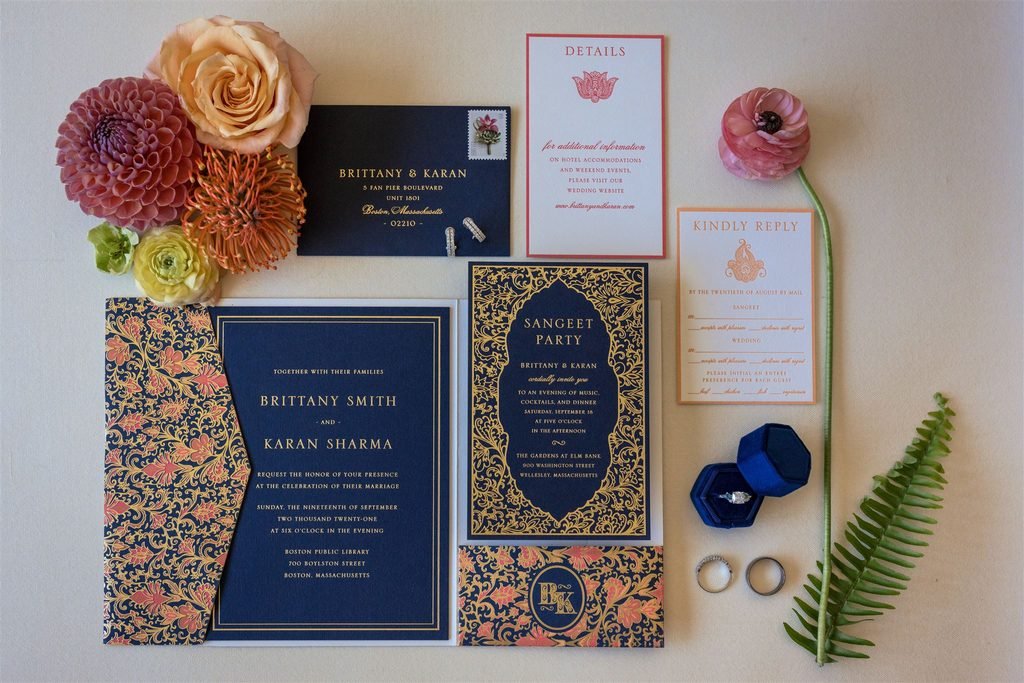
For example, an invitation suite might include:
- Main invitation
- Reception card
- RSVP card
- Details card
- Accommodation information
- Wedding website information
The exact number of cards depends on how much information your guests need.
How to Handle Plus-Ones
Plus-one etiquette can sometimes be complicated.
Couples should decide their guest policy before invitations are addressed. If a guest is allowed to bring a partner, the invitation should make that clear.
Avoid writing vague wording that could leave guests unsure whether they may bring someone.
If only specific guests are invited with a plus-one, address the invitation accordingly or clearly communicate the arrangement.
How to Handle Children at the Wedding
If children are not invited, communicate this politely and consistently.
Rather than placing a blunt statement on the main invitation, couples can communicate the policy through the wording, addressing of invitations, wedding website, or personal communication when necessary.
For example, invitations may be addressed specifically to the invited adults.
Consistency is important so that guests understand who is included.
Should You Include a Dress Code?
If you have a specific dress code, it is helpful to tell guests.
Common dress codes include:
- Black tie
- Formal
- Cocktail
- Semi-formal
- Garden attire
- Beach formal
- Casual
The dress code can appear on the invitation or details card depending on the design and amount of information.
A wedding website can provide additional guidance, such as weather expectations or examples of appropriate attire.
Wedding Invitation Wording
Wedding invitation wording should match the overall style of the celebration.
A formal wedding may use traditional language, while a modern wedding may use shorter and more conversational wording.
The most important thing is clarity.
Avoid overly complicated wording if it makes essential information difficult to find.
How Formal Should Your Invitation Be?
Your invitation can provide guests with an early indication of the wedding’s atmosphere.
Formal Wedding
Formal wording, elegant typography, and classic invitation designs can work well for traditional celebrations.
Modern Wedding
Contemporary couples may prefer clean typography, minimal layouts, and concise wording.
Destination Wedding
Destination wedding invitations may need additional travel information, accommodation details, and a wedding website.
Casual Wedding
A relaxed wedding can use friendly language and creative designs while still providing all the essential information.
What About Wedding Websites?
Wedding websites have become an effective way to provide information that does not fit comfortably on a physical invitation.
A wedding website can include:
- Venue directions
- Hotel information
- Transportation
- Wedding schedule
- Dress code guidance
- Registry information
- Frequently asked questions
- RSVP
- Local activities
The invitation can include a simple website URL or QR code directing guests to the additional information.
Wedding Registry Etiquette
Many couples choose not to place registry information directly on the main invitation.
Instead, registry details can be shared through:
- Wedding website
- Bridal shower information
- Close family and friends
- A separate details card
This keeps the main invitation focused on the wedding itself.
How to Address Wedding Invitations
Proper addressing is another important part of Wedding Invitation Etiquette.
Make sure names and addresses are spelled correctly. Formal invitations may use full names and traditional titles, while modern invitations may use a more relaxed format.
Before mailing, double-check:
- Guest names
- Spelling
- Addresses
- Apartment or suite numbers
- Postal codes
- Return address
A small addressing error can cause an invitation to be delayed or returned.
Should You Handwrite Addresses?
Handwritten envelopes can create an elegant and personal impression.
However, professionally printed envelopes or calligraphy services can also provide a polished appearance while saving time for couples with a large guest list.
Choose an approach that matches your wedding style and budget.
How Many Invitations Should You Order?
Do not automatically order one invitation for every person on your guest list.
Couples and families may share one invitation, so calculate the number of households or invitation recipients first.
It is also wise to order a small number of extras for:
- Unexpected additions
- Lost invitations
- Keepsakes
- Last-minute guest changes
Ordering extras in advance is usually easier than trying to reproduce an invitation design later.
Common Wedding Invitation Mistakes to Avoid
Even beautiful invitations can create problems if important details are missing.
Avoid these common mistakes:
Sending Invitations Too Late
Guests need enough time to make travel and accommodation arrangements.
Forgetting the RSVP Deadline
Make the RSVP deadline easy to locate.
Not Clarifying Who Is Invited
Ambiguous guest policies can lead to uncomfortable conversations.
Missing Venue Information
Double-check venue names, addresses, and event locations.
Spelling Names Incorrectly
Guest names should be carefully checked before printing.
Overloading the Main Invitation
Use additional cards or a wedding website for information that is not essential to the invitation itself.
Forgetting Postage
Invitation suites can weigh more than standard letters. Check postage requirements before mailing the complete suite.
Wedding Invitation Design and Your Wedding Theme
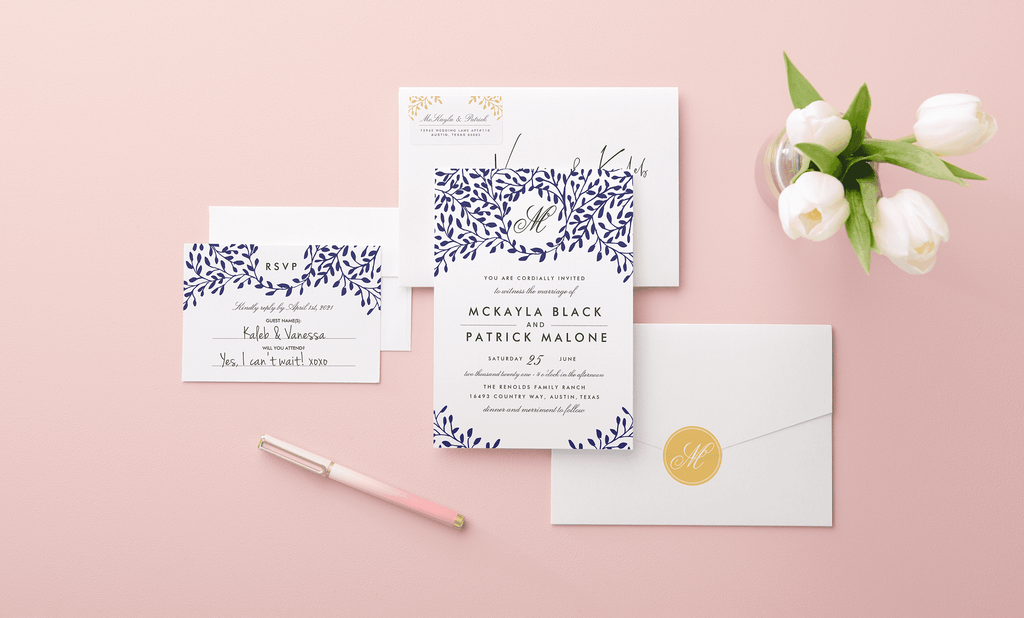
Your invitation can become the first visual expression of your wedding style.
Consider coordinating elements such as:
- Colors
- Typography
- Floral designs
- Illustrations
- Paper selection
- Envelope style
- Monograms
- Wedding website design
A cohesive visual identity can make your celebration feel more intentional from the very beginning.
How WeddingsArtists Can Help With Your Wedding Planning
Planning a wedding involves countless decisions, and invitations are just one part of the process.
WeddingsArtists provides wedding planning inspiration and resources designed to help couples navigate important decisions throughout their celebration.
From wedding planning guidance to ideas for décor, venues, photography, beauty, entertainment, catering, and destination celebrations, WeddingsArtists can be a useful resource as couples organize their wedding.
When planning your invitations, couples can use professional wedding resources to ensure their invitation style and information fit naturally with the rest of their celebration.
Final Wedding Invitation Etiquette Checklist
Before sending your invitations, review this checklist:
- Couple’s names are correct
- Wedding date is correct
- Ceremony time is included
- Venue name and address are correct
- Reception information is included
- RSVP instructions are clear
- RSVP deadline is provided
- Guest policy is clear
- Dress code is mentioned if necessary
- Wedding website is included if applicable
- Accommodation information is available
- Names and addresses are checked
- Postage requirements are confirmed
- Extra invitations have been ordered
Final Thoughts
Understanding Wedding Invitation Etiquette can make the invitation process much easier and help guests feel informed from the moment they receive their invitation.
The best wedding invitations combine beautiful design with clear, useful information. Whether your celebration is formal, modern, intimate, or destination-based, your invitations should reflect your wedding style while making it easy for guests to understand what to expect.
For more wedding planning inspiration, ideas, and helpful resources, visit WeddingsArtists and explore guides designed to help couples plan a beautiful and memorable celebration.
Frequently Asked Questions
What is the most important rule of wedding invitation etiquette?
The most important principle is clarity. Guests should easily understand who is invited, when and where the wedding takes place, and how to RSVP.
How early should wedding invitations be sent?
The timing depends on the type of wedding and whether guests need to travel. Destination weddings generally benefit from earlier communication so guests have enough time to make arrangements.
Should the wedding invitation include a dress code?
If you have a specific dress code, including it on the invitation or details card can help guests choose appropriate attire.
Should registry information be included on the wedding invitation?
Many couples prefer to share registry information through their wedding website or other wedding-related communications rather than placing it directly on the main invitation.
How should couples handle plus-ones?
Decide your plus-one policy before sending invitations and make it clear who is invited with a guest. Addressing the invitation correctly can help avoid confusion.
Should children be included on wedding invitations?
Whether children are invited is entirely up to the couple. If children are not invited, addressing invitations specifically to the invited adults can help communicate the guest list clearly.
What should be included in a wedding invitation suite?
A wedding invitation suite may include the main invitation, RSVP card, reception card, details card, accommodation information, and other inserts depending on the wedding.